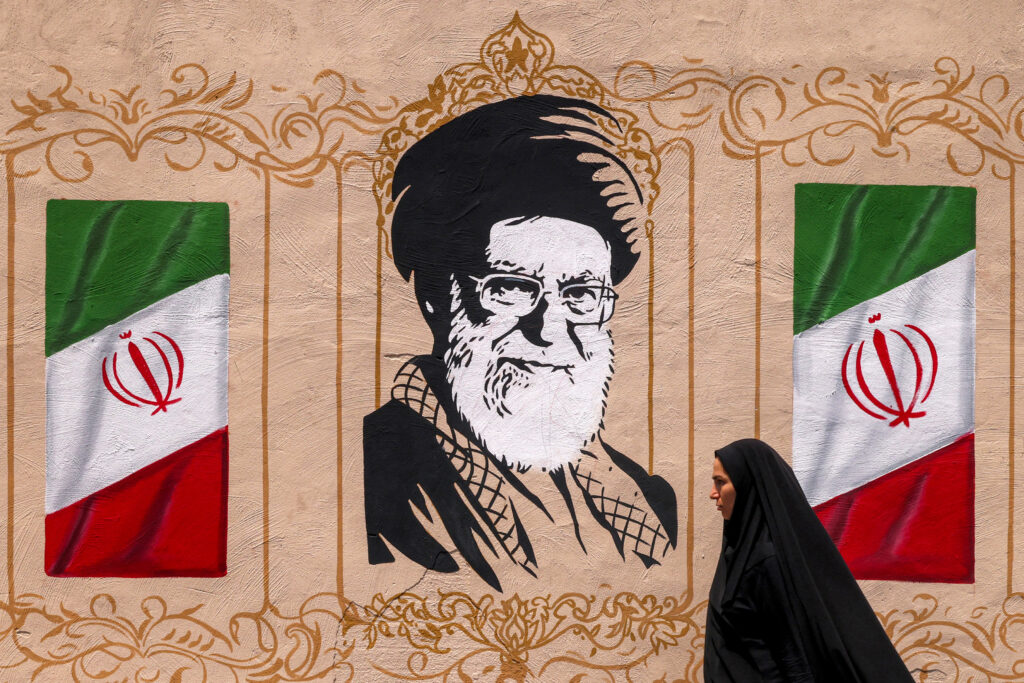
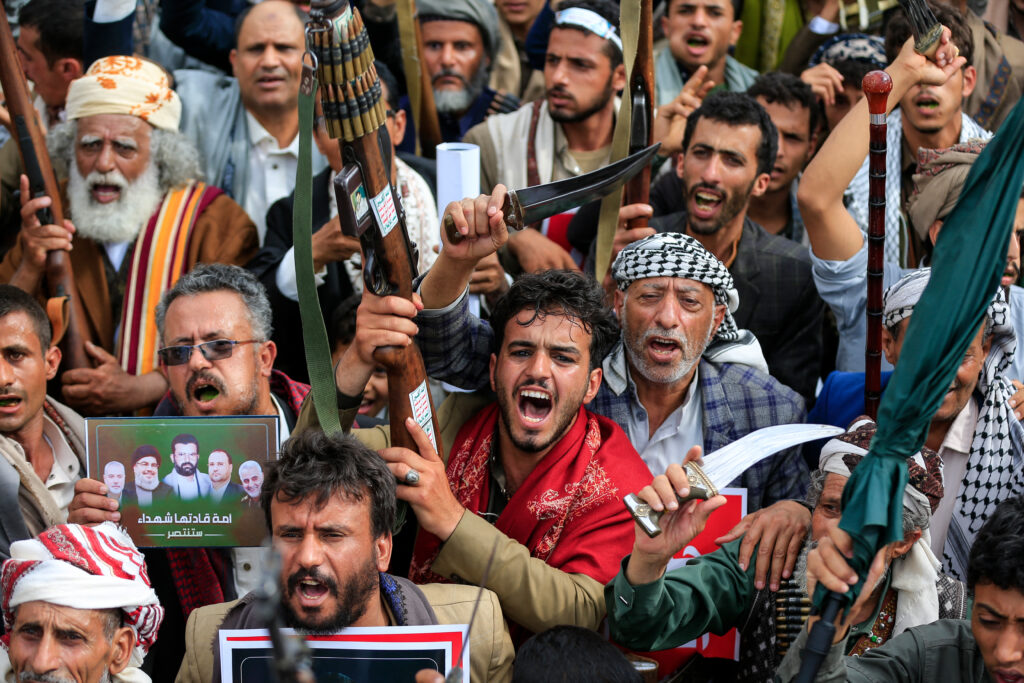
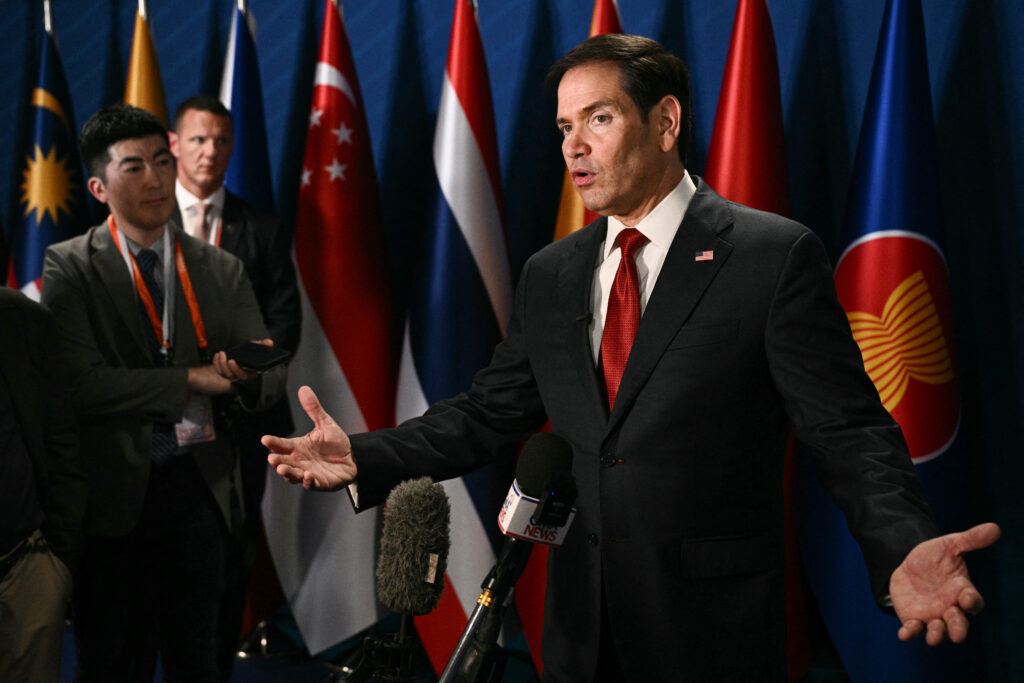
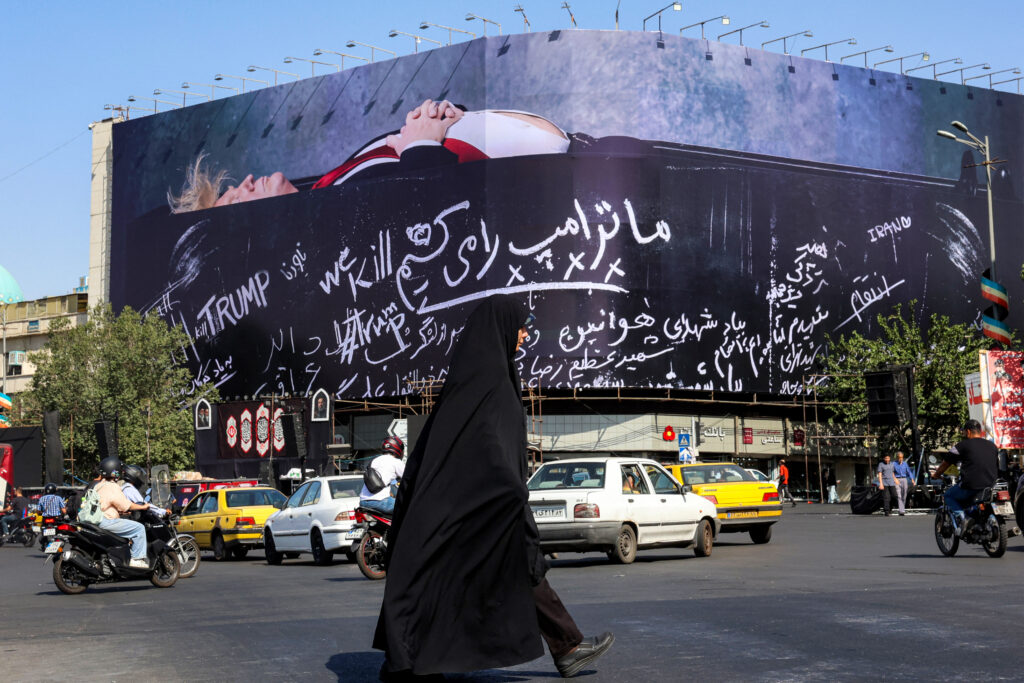
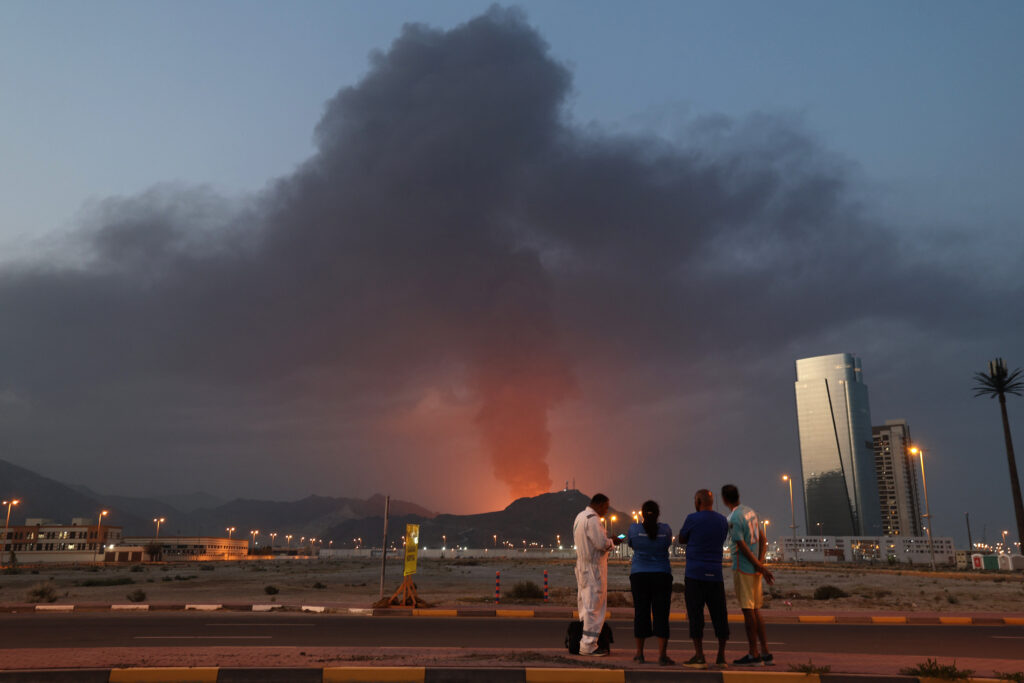
Here at the Middle East Institute, we see little end in sight to the US-Iran conflict. The Strait of Hormuz remains closed, Iran refuses to yield on its demands, and its proxies, the Houthis, continue to disrupt shipping in the Red Sea. We wait to see if Iran and Oman succeed in striking a deal on Hormuz, and how the US will now respond.
Conversations We’ve Been Having
If you missed our Annual Conference 2026 in June, I’d encourage you to take a look at the Insights and Perspectives contributed by a number of our speakers. A number of them stood out for me. The first, by Dr Sim Li-Chen, assessed the security of energy supplies, rising costs, and what Asia could learn from the Gulf’s energy shock. The second, by Brian Braun, considered the impact of the closure of the Hormuz Strait on South-east Asia, and what we could learn from this.
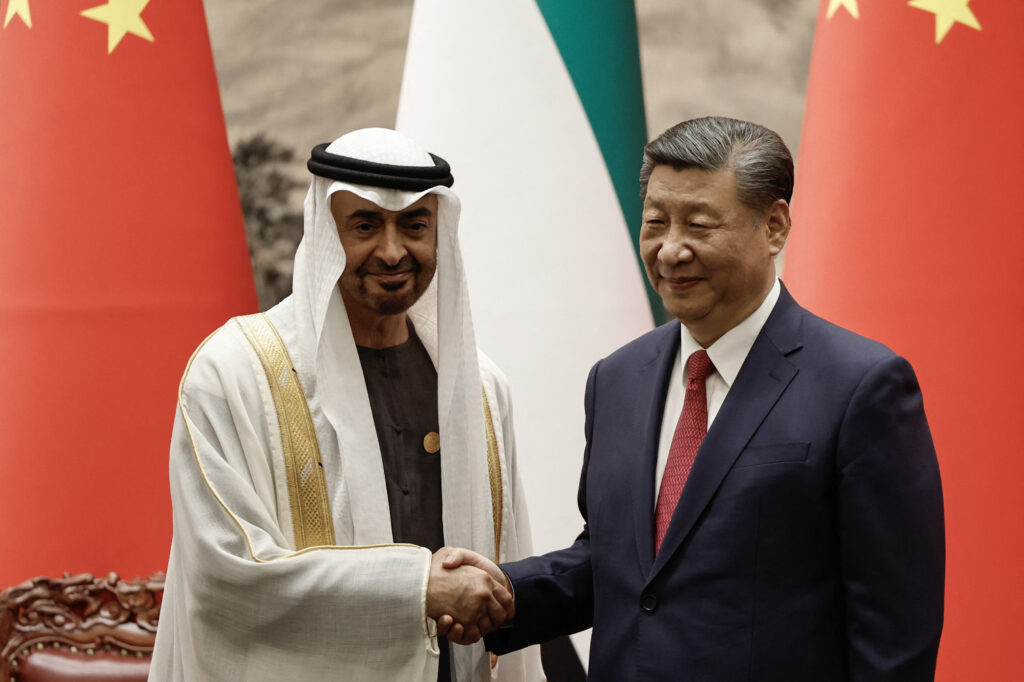
A rethink is now needed, not just for the Gulf states themselves, but for those of us with interests in, and relations with, the region. Nowhere was this more compellingly argued than by Dr Jonathan Fulton. In a thoughtful piece written under our Perspectives series, Dr Fulton laid out how the conflict exposed a fracturing region that would force all external players, China in particular, to re-evaluate their approaches to the region.
We had a similar conversation on China with colleagues from the Cambridge Middle East and North Africa Forum on 11 June 2026.
What We’ve Written About
Two of our researchers have had books published this year. Join us when we talk to each of the authors about what they have written on and why.
The first, “Counter-Terrorism Financing and Iran” (Routledge 2025) which came out in January, is written by our Research Affiliate, Dr Zeynab Malakouti Khah. It remains, in my view, highly relevant as it examines issues such as Iran’s financing of groups including Hezbollah and Hamas, as well as the preventive measures and sanctions adopted to address these challenges.
The second, and more recently published “Iron Dome: A History of Israel’s Military Strategy” (Bloomsbury 2026), is by our Senior Research Fellow, Dr Jean-Loup Samaan. The book traces the story of Iron Dome from its origins as a military system to a national symbol and central pillar of US-Israel defence cooperation. Dr Samaan’s book doesn’t just consider how Iron Dome reshaped Israel’s strategic thinking, but also points out its limits following 7 October 2023 and the wars that followed.
Collaborations
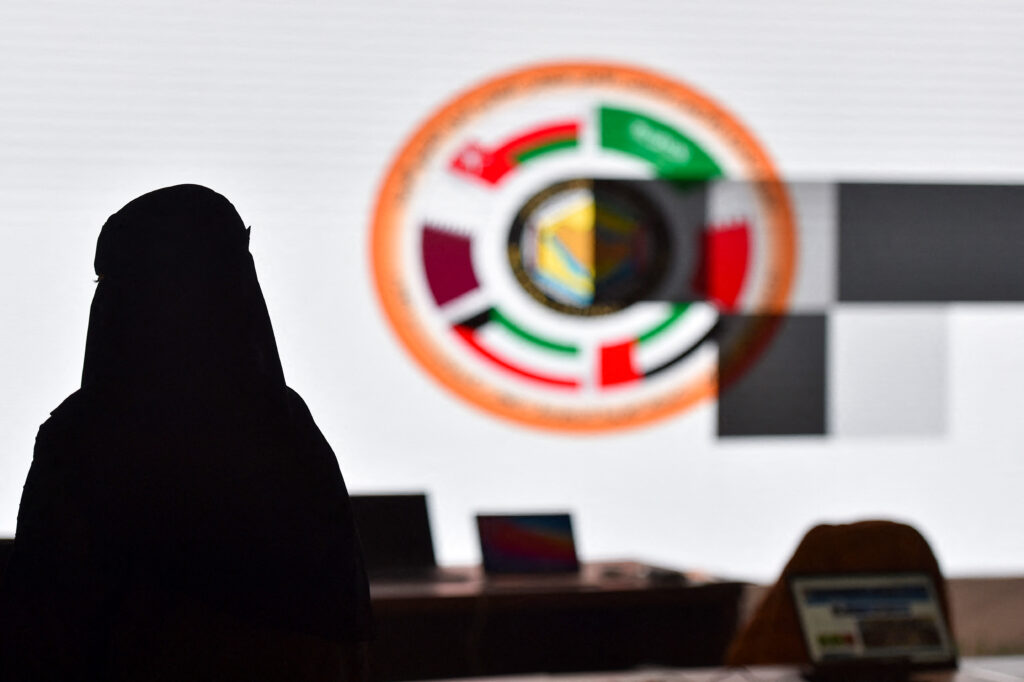
Circling back to China, this year we published a monograph “China and the Gulf Cooperation Council, An Evolving Partnership” with the East Asia Institute that considered the depth and breadth of China’s economic ties with the Gulf and was intended as the first step in an ongoing collaboration between our two Institutes.
I’ve linked a piece that we wrote jointly with our EAI colleagues on China’s ties with GCC countries of the Gulf Cooperation Council prior to the US war on Iran.
Looking ahead, some questions have come up: How will the Gulf countries now future-proof their economies in light of regional uncertainty? How will China respond, given that the Gulf as we have known it will never be the same?
What We’re Thinking About Next
Iran. We’re thinking about what is really going on in the country, and where the power really resides within it.
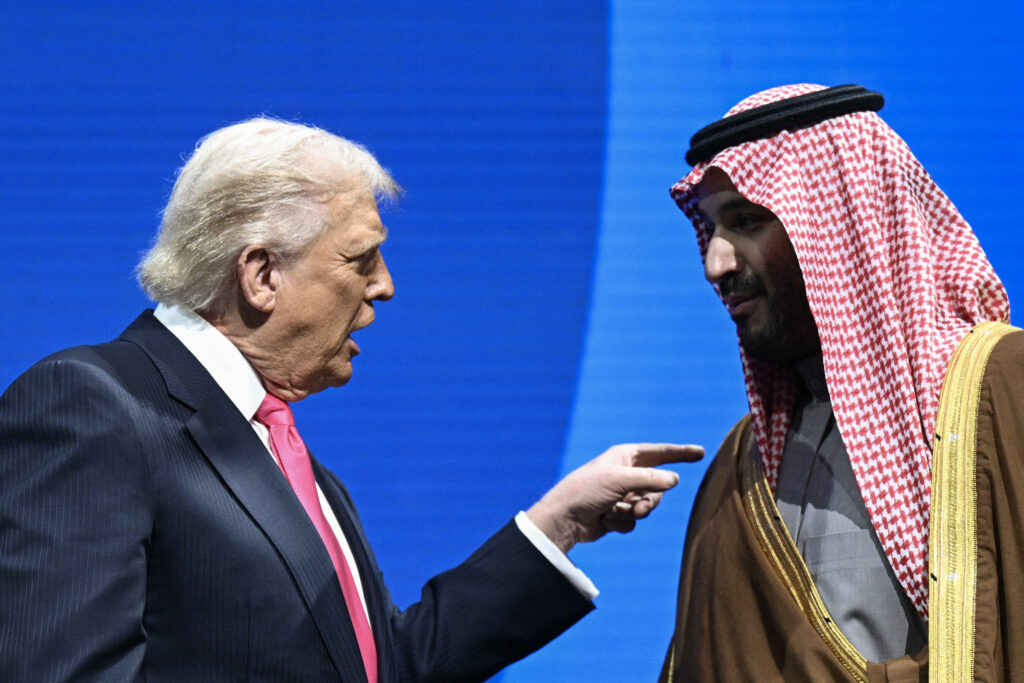
We are also looking at new alignments that are taking shape, most recently with the “Mecca Agreement” between Saudi Arabia, Turkey, and Pakistan came together to form a mutual defence pact.
Exciting times. Worrying times. Please continue to join our conversations and for quick insights on what we are working on, talking about, and thinking about, find us on YouTube at https://www.youtube.com/@MiddleEastInstituteNUS/shorts.