2026 has simply taken off, and here we suddenly are in the month of June. At the Middle East Institute, we continue to study how the turbulence in the region could play out, and what this all will mean for Singapore and the wider Asian region beyond the rising cost of fuel and disrupted supply chains.
What’s Been Keeping Us Busy and Why
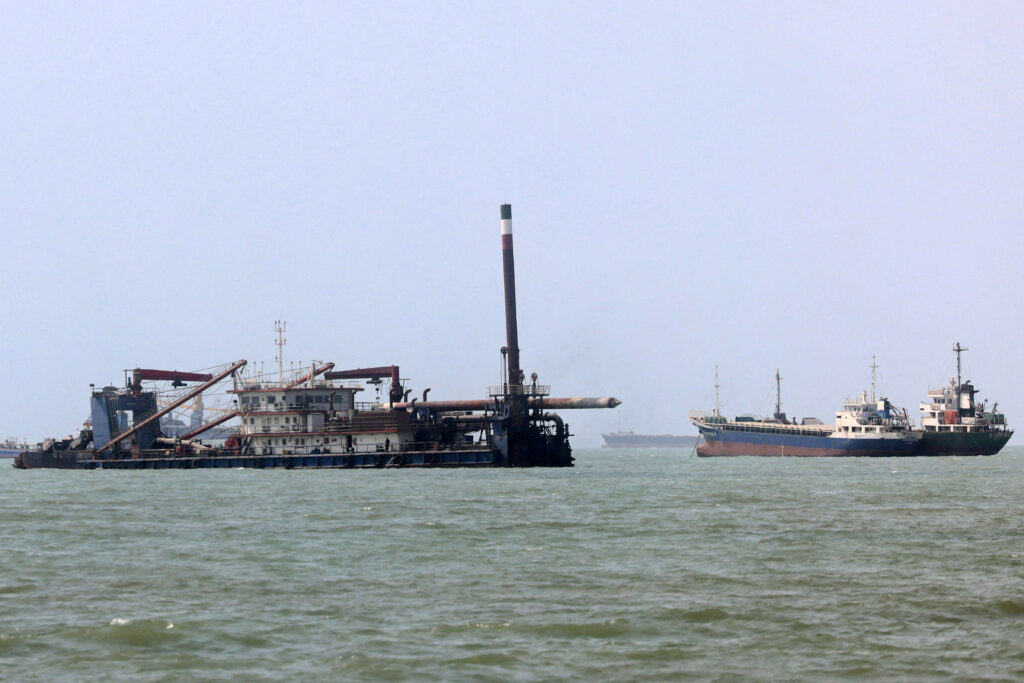
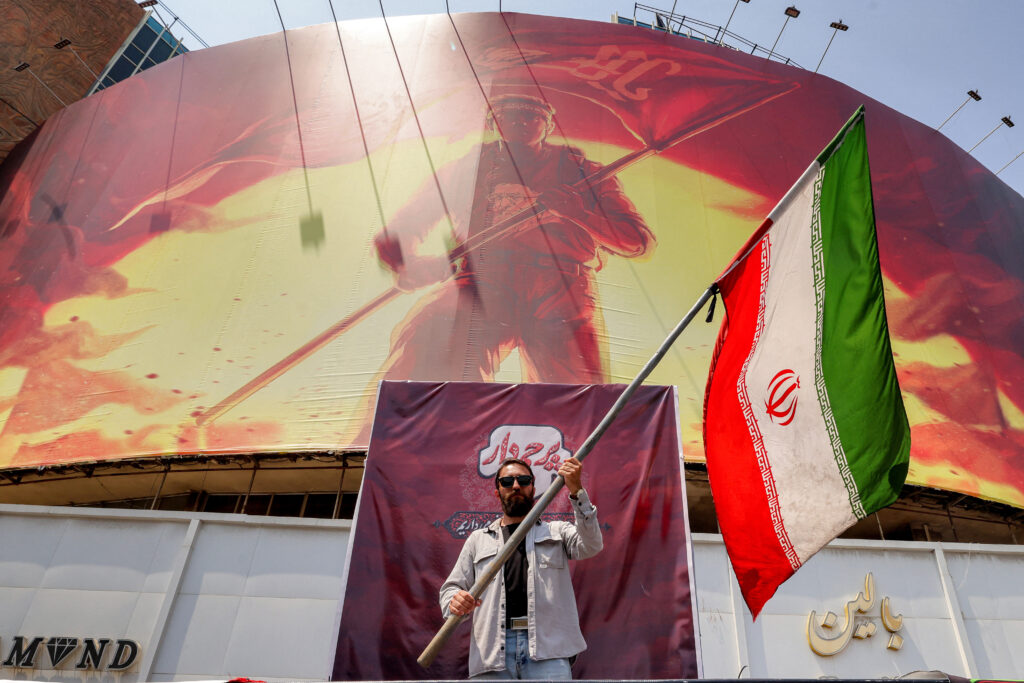
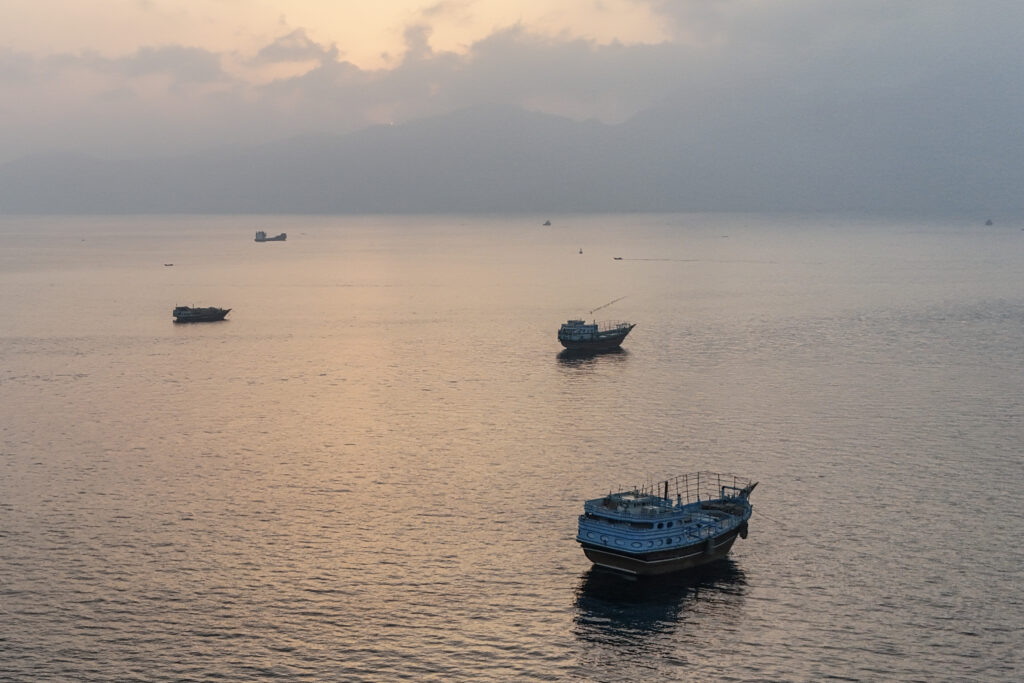
The Strait of Hormuz as a major chokepoint, whether the US and Iran will find an acceptable middle ground, and Israel’s spoiler role remain front and centre of our conversations with each other, and with many of our colleagues across the globe.
With no end really in sight, and the on-again, off-again strikes from both Iran and the US-Israel sides continuing, the countries of the Middle East face a new reality, and are faced with some hard questions.
What We’ve Written About
In a commentary for CNA in April this year, our Deputy Director, Carl Skadian, wrote that there were no signs that the US could pull back its involvement in Iran and an increasingly messy war (Still No Sign of an Off-Ramp for US in Iran War).
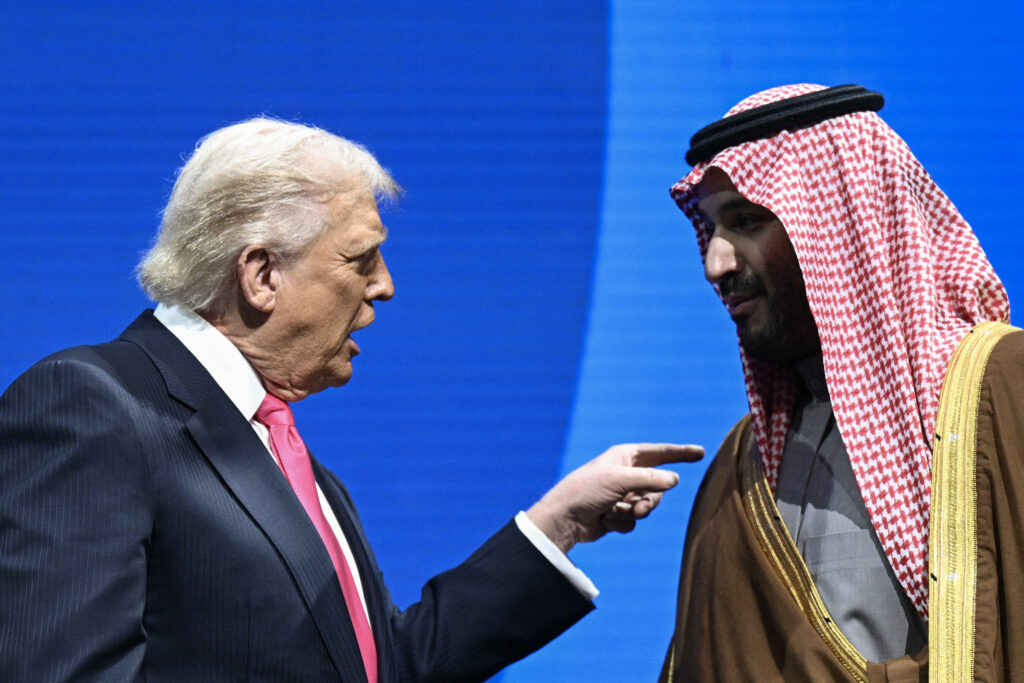
Personally, I do not see anything other than a messy withdrawal for the US, and this is something that our colleague, Dr Jean-Loup Samaan, discussed when writing for the Arab Gulf States Institute (Gulf Security Strategies After the War). In his view, US military bases in the Gulf did not just fail to deter attacks, they attracted them. In the short term, and as long as Donald Trump is President, the Gulf states will be reluctant to take Washington on. But with the Iranian regime in place, they will need to find ways to prevent future aggression — as much for their territorial integrity as for their attempts to reassure foreign investors they remain safe destinations.
Looking beyond this messy war, where do the Gulf states go from here? In a Perspectives paper, Iran War Exposes Need to Reboot Vision Plans, Dr Hela Miniaoui considered the implications of the Iran War on the Gulf states. In her view, the war revealed that the diversification models of the Gulf states were fragile, having been designed on the assumption that geopolitical risk could be contained.
Meanwhile, Dr Fahimeh Ghorbani, a Visiting Research Fellow at the Institute for Middle East Strategic Studies (IMESS) in Iran, argued that Saudi Arabia’s Vision 2030 helped change the Kingdom’s regional policy (How Vision 2030 Spurred a Sea Change). As she has rightly pointed out, domestic agendas – in this case social and economic reform – have big impacts on a country’s foreign policy strategy.
Conversations We’ve Been Having
The most pressing conversations have been around the US-Israel War on Iran and the Strait of Hormuz.
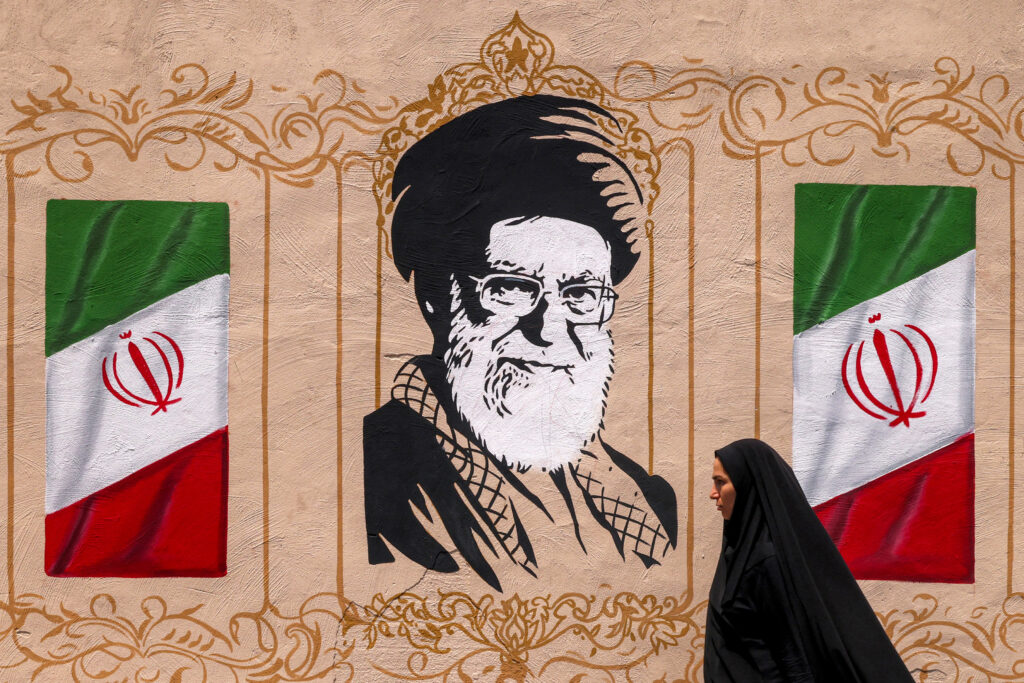
In a February interview with CNBC (Regime Change May Not Necessarily be Better) Distinguished Fellow Bilahari Kausikan cautioned that regime change for Iran, as sought by the US and Israel, might not necessarily lead to a better situation for Iran. He has been proven right — numerous analysts have since concluded that the current regime is even more hardline that the one it replaced.
In April, MEI collaborated with the Singapore Institute for International Affairs (SIIA) as discussions centred around the impact the war could have, not just on the global economy, but also on international law. It was clear that a re-ordering of the region would occur, and that the ramifications from the standoff in the Strait of Hormuz would continue to be felt for many months, both economically and legally, well beyond any resolution to the war. You can listen to the full discussion at SIIA-MEI Joint Event.
With the Strait of Hormuz on everyone’s minds, Dr Jean-Loup Samaan spoke to both CNBC in March and then to CNBC in June on recurring standoffs between the US and Iran over allowing the passage of cargo ships through the Strait, the risks of escalations, and the effects that would be felt across the globe. You can find the articles here at A Naval Coalition May Still Struggle and US-Iran Standoff.
We’ve also looked at the knock-on effects of Impact of the War on the Gulf. In a conversation with Money FM, Carl Skadian discussed how the War would impact the long-term economic ambitions of the Gulf States, and the implications for regional diplomacy as a whole.
That’s it for this month. I’ll be back with more picks, including the best of our annual conference, soon.