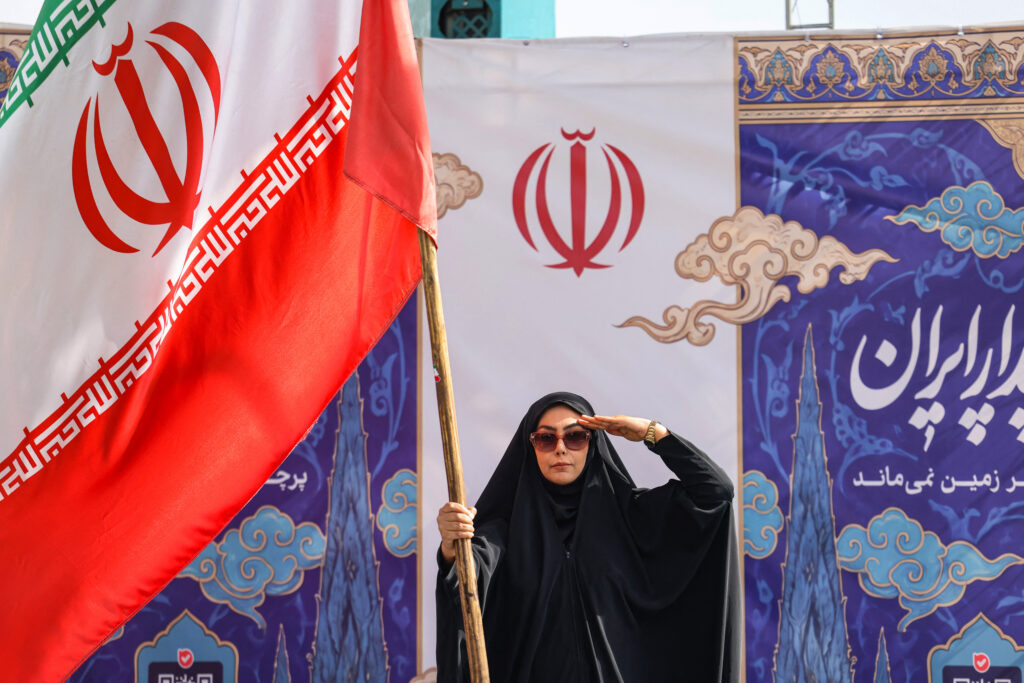
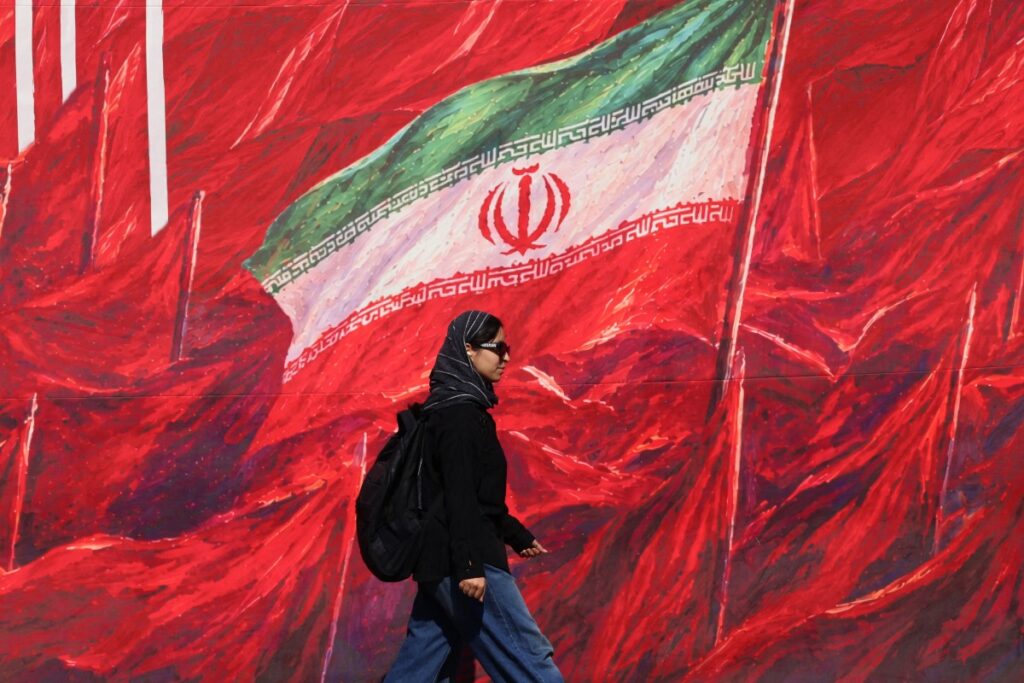
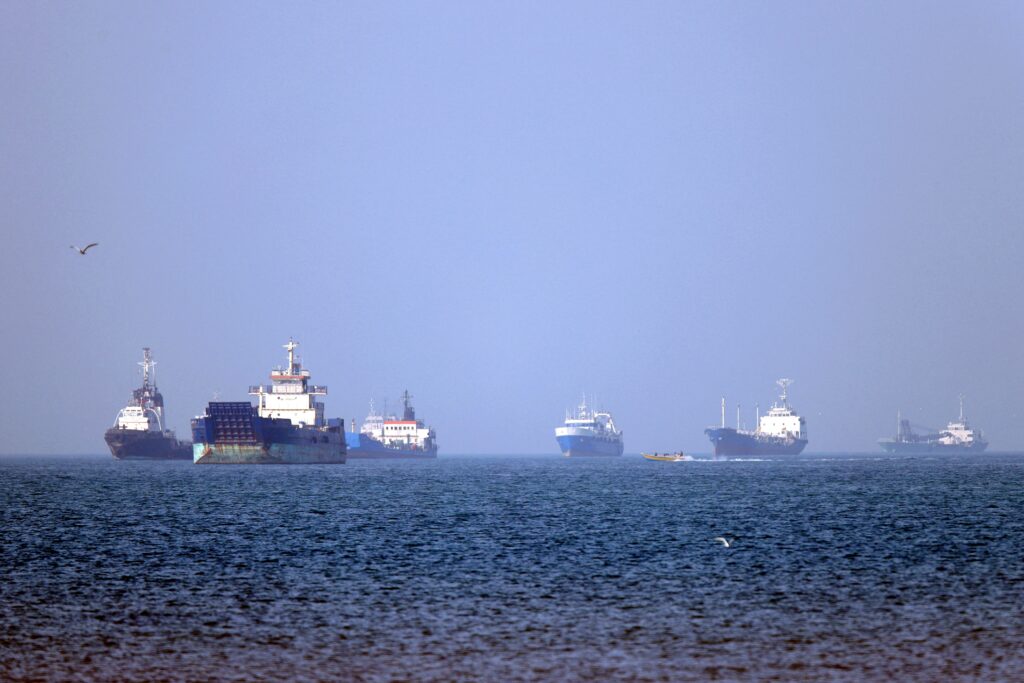
It has been a busy three months for us here at MEI. The Middle East remains in an uneasy state, although, for the first time since the collapse of the June ceasefire, the US and Iran held talks. Separately, Oman and Iran negotiated maritime service fees to allow passage through the Strait of Hormuz.
Conversations We’ve Been Having
If you missed our 2026 SR Nathan Distinguished Lecture, I’d encourage you to watch the video, which is on our website. The Institute’s old friend, Professor Vali Nasr, Majid Khadduri Professor of International Affairs and Middle East Studies at the Johns Hopkins University School of Advanced International Studies (SAIS), and author of the well-regarded book “Iran’s Grand Strategy: A Political History”, delivered this year’s Lecture and left all of us with much to ponder. Two things struck me: His insight into the mindset of Iranians, and his argument that Iran’s leaders feel that the country is in a stronger position today than it was on 27 February 2026.
What We’ve Been Writing On
Our researchers, meanwhile, have been busy.
In a thoughtful Perspectives paper, our Research Affiliate, Dr Zeynab Malakouti, made the case for Why This US-Iran Crisis is Different, arguing that the old pattern of coexisting with crisis could no longer apply, given the widespread and direct impact of the closure of the Strait of Hormuz on nearly every major global economy. A second Perspectives paper written by another of our Research Affiliates, Sima Aghazadeh, on The Long Struggle for Domination of Hormuz argued that, given its strategic location, the Strait has been contested for centuries.
We continued to keep watch on how the Gulf States are adapting and seeking to expand their regional influence. In an interview with AsiaOne which considered the United Arab Emirates’ expansion into Africa, Senior Research Fellow Dr Jean-Loup Samaan observed that the UAE’s strategy had begun first with ports and resources, which initially came from Dubai as the Dubai-based DP World looked to expand its global network. This then took a military dimension, most clearly during the Saudi-led coalition intervention in Yemen.
Nuclear ambitions among the Gulf states were also looked at, with our guest contributor, Cauvery Ganapathy, Fellow at the Observer Research Foundation in the UAE, considering the US-Saudi Nuclear Deal, why Washington granted the exceptions it did to Saudi Arabia, and what this could mean for the region, given Iran’s insistence on access to nuclear energy.
We also turned our attention back to China. In her Perspectives paper on the Gulf’s China Conundrum, our Research Fellow Dr Jia Liu argued that China had pressed the Gulf states to take a more independent approach to security, while underestimating, or not fully realising, the domestic and structural challenges that they face in pursuing such an approach. In a podcast with BFM 89.9, Jia then asked if China was Rewriting the Middle East Order. On Xi Jinping’s first state visit to Egypt in 10 years in September 2026, she asked if China was positioning itself as a genuine alternative diplomatic and security partner for the region, or if this was a case of Egypt hedging its bets.
In a commentary for ThinkChina on A Strategic Partnership with Iran, MEI Visiting Fellow Professor Fan Hongda argued that common interests alone had not produced “sustained, large-scale cooperation” between the two countries, and that it would be hard for China to meet Iran’s expectations.