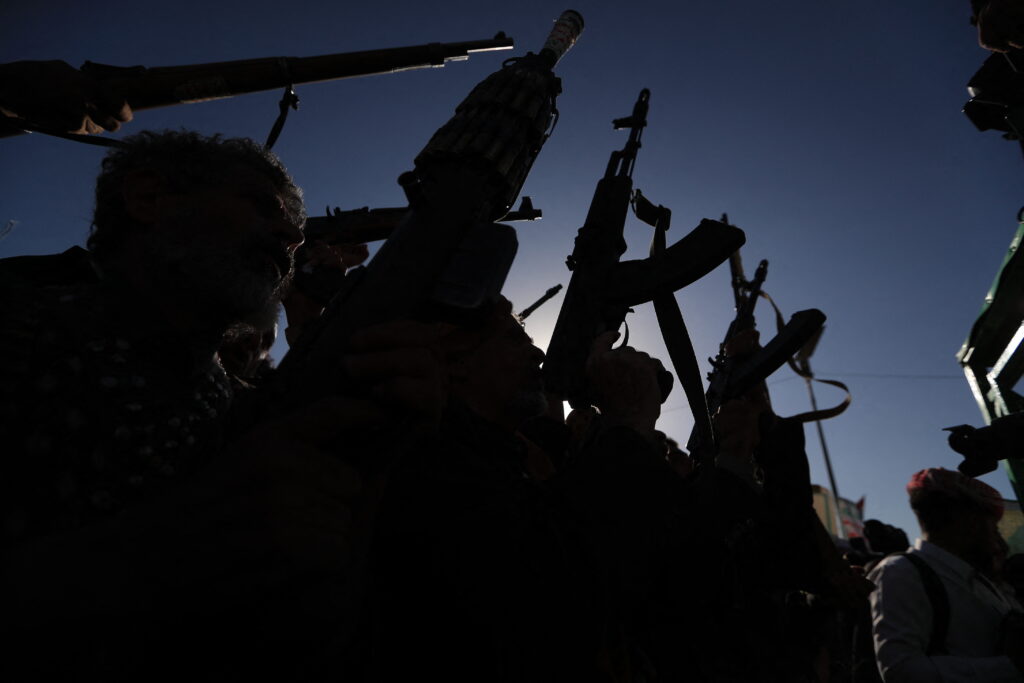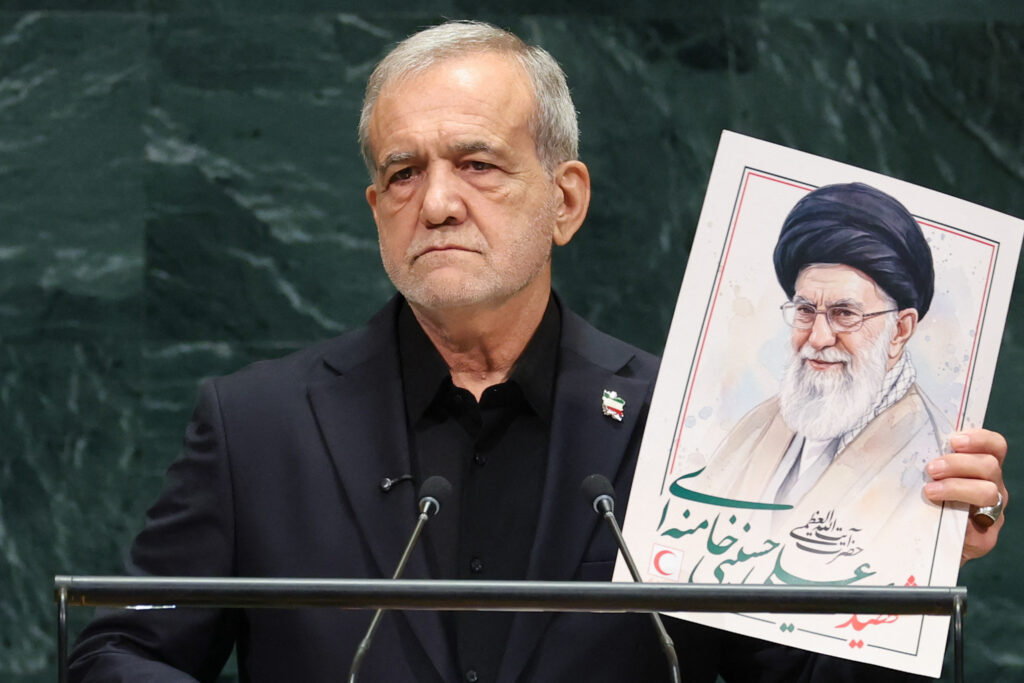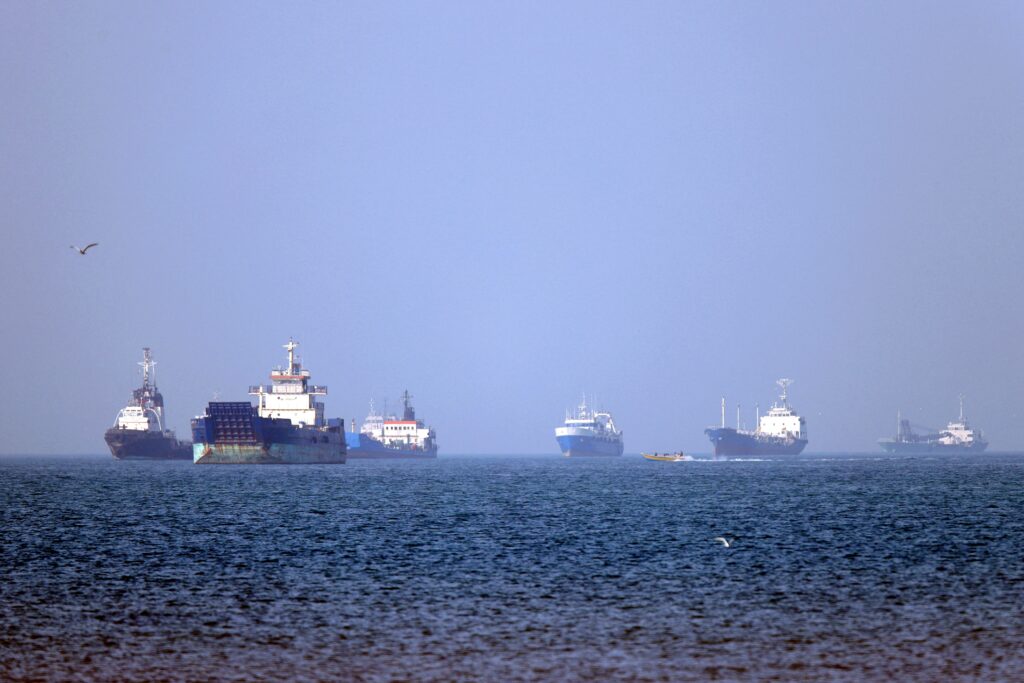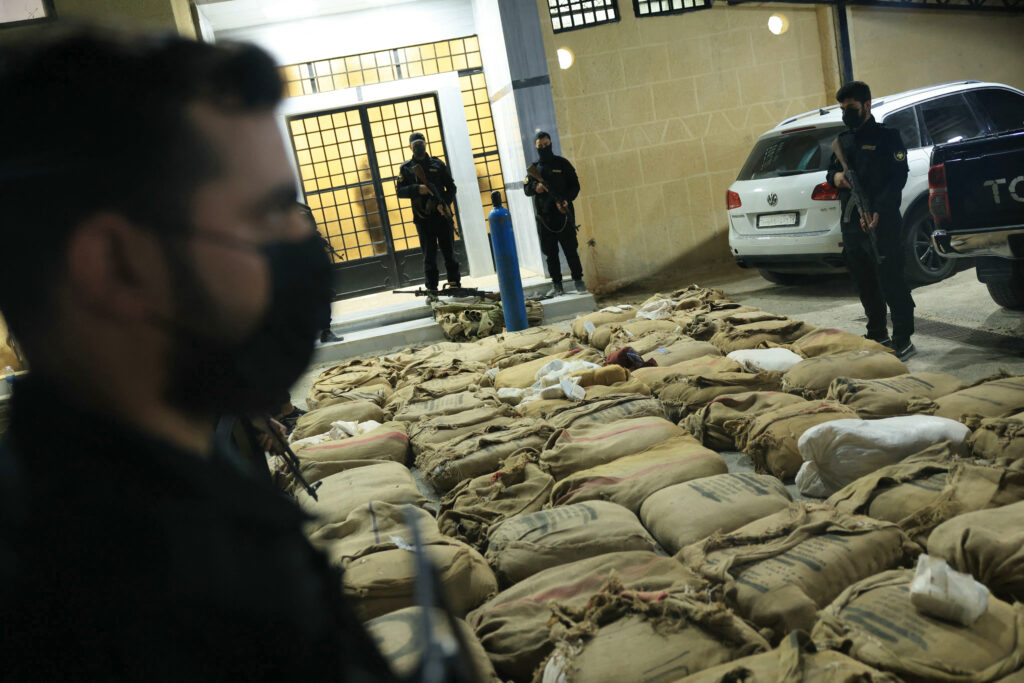
Since the United States and Israel launched airstrikes against Iran on 28 February 2026, the situation around the world has deteriorated sharply. Regional risks have constrained energy supplies, driven up oil prices, and unsettled the security and stability of global markets. Although the United States and Iran agreed to a two-week ceasefire on 8 April — which came after threats to Iran’s civilian infrastructure and even its civilisation — observers still find it difficult to discern the trajectory of the conflict, let alone its potential long-term implications.
Amid this protracted stalemate, China and Pakistan jointly proposed a five-point initiative to restore peace on 31 March. While short on substance — differing in key respects from Iran’s 10-point proposal that set the stage for the ceasefire — it was not China’s first effort to act as a mediator in regional crises. Since facilitating the re-establishment of diplomatic ties between Saudi Arabia and Iran in 2023 and attempting to reconcile Palestinian factions in 2024, Beijing has become increasingly pro-active in Middle Eastern security affairs, seeking to play a more substantial role in shaping the evolving regional order. Yet questions remain: Does China’s mediation actually work? And what is China’s Middle East policy?
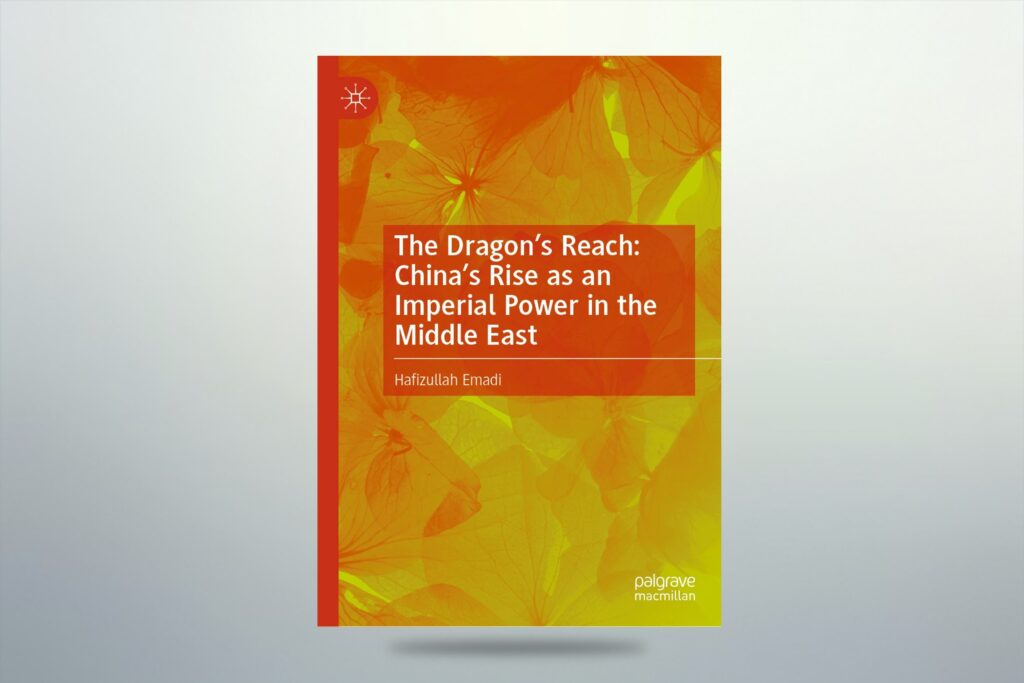
In his recent book, The Dragon’s Reach: China’s Rise as an Imperial Power in the Middle East, Dr Hafizullah Emadi seeks to address these very questions. Through a close examination of the evolution of China’s Middle East policy since its founding, he argues that Beijing is deploying soft-power strategies — an approach that seeks to cultivate goodwill through economic ties, trade, and people-to-people exchanges, shaping regional dynamics indirectly and incrementally, rather than through overt confrontation — to challenge the United States’ long-standing regional dominance.
Structured in six chapters, the book traces China’s historical engagement with Afghanistan, Iran, Iraq, and Palestine, outlining how Beijing has gradually expanded its influence in the region and, ultimately, emerged as an imperial power — not territorial imperialism, but rather, a form of soft-power influence that shapes outcomes in ways reminiscent of earlier external powers. Dr Emadi, an Afghan academic who has written extensively on his country, argues that China’s core interests in the Middle East lie primarily in the economic and energy domains, rather than in military and security affairs. Yet, this very observation underscores the subtlety of China’s strategy: Following the end of the Mao era, during which it viewed the region as part of a broader anti-Western and anti-colonial struggle, Beijing adopted a more cautious and pragmatic approach to the Middle East, moving away from ideologically-driven narratives. He further notes that, despite economic and cultural influence, China’s appeal partly derives from regional anti-American sentiment. By emphasising “non-interference” and “respect for sovereignty and territorial integrity”, China not only presents a sharp contrast to the interventionism of the United States, but also avoids being entangled in regional conflicts.
Although the book acknowledges that China’s approach may help mitigate diplomatic risk, Dr Emadi also offers a critique of it, arguing that Beijing’s readiness to collaborate with authoritarian governments in the region, and its hesitance to condemn human rights violations or support democratic initiatives, makes its approach closely resemble that of Western capitalist countries.
While Dr Emadi brings the lived experience of an Afghan scholar, his analytical framework aligns closely with mainstream Western scholarship — emphasising soft-power projection and economic statecraft, and therefore does not offer a fundamentally new interpretation of China’s Middle East policy. Instead, the principal value of the book lies in its comprehensive historical account, making it particularly suitable for readers interested in the history of regional politics. At a time when the outcome of the US-Iran conflict remains highly uncertain, the historical evolution of China’s policy towards Iran remains relevant — not because Beijing is a decisive player in the conflict, but because its long-term approach shapes the limits and possibilities of its present-day diplomacy as a mediator.
Image: Springer Nature
About the Author
Yuyang Ge is a Visiting Ph.D. Student at the Middle East Institute, National University of Singapore. He is currently pursuing a Ph.D. in International Relations at Tongji University. His research focuses on China’s Middle East policy and Middle Eastern politics.