China, Energy and Geopolitics during the Middle East Crisis

Jointly organised with:
 

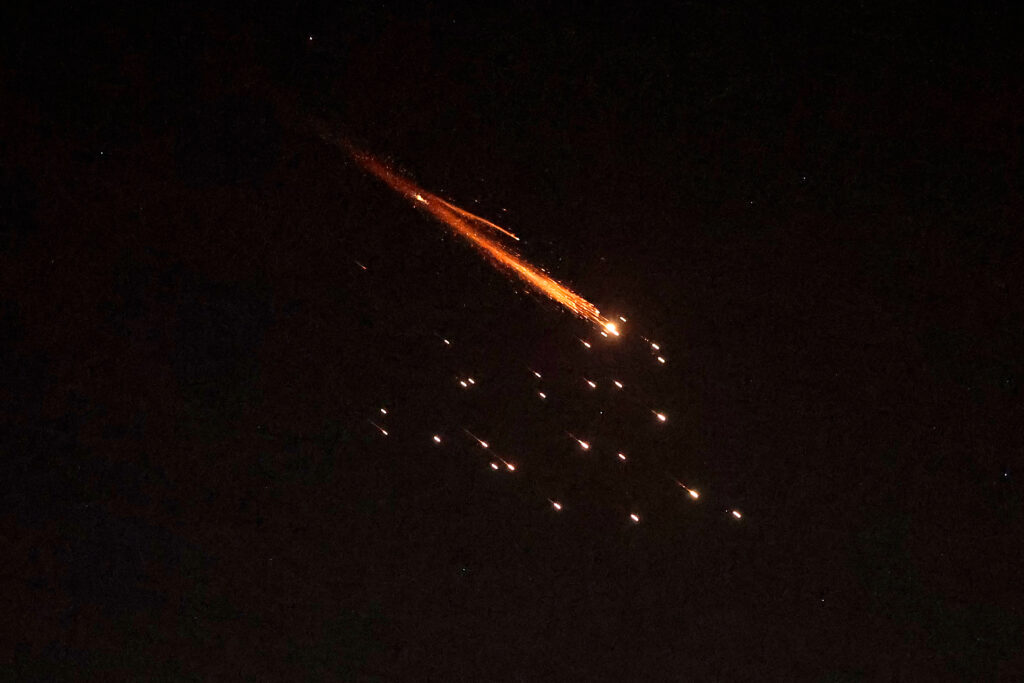
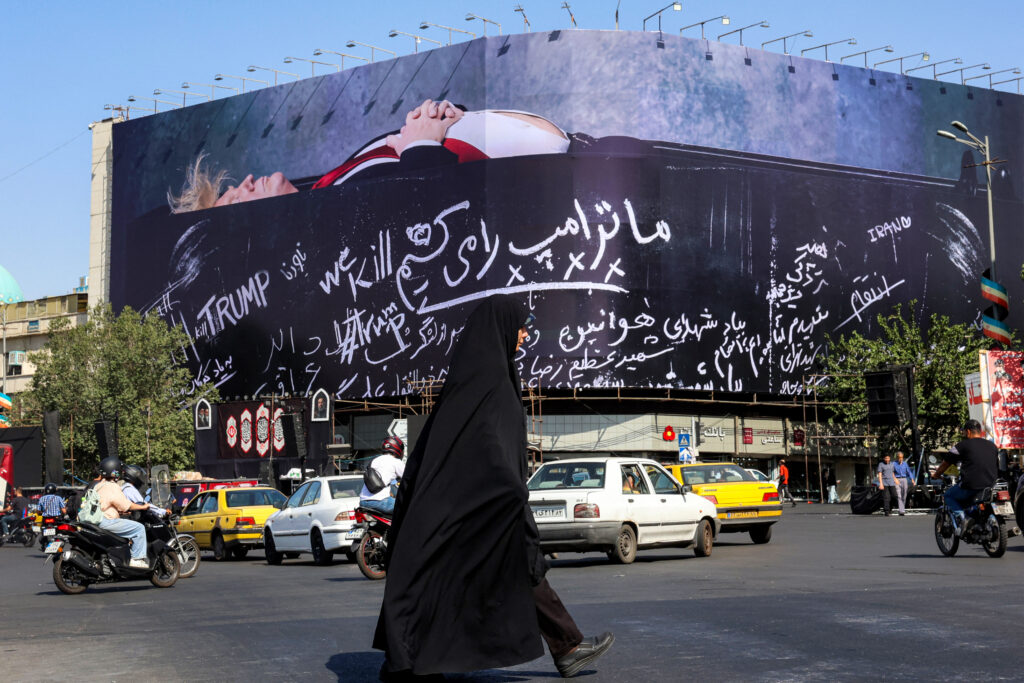
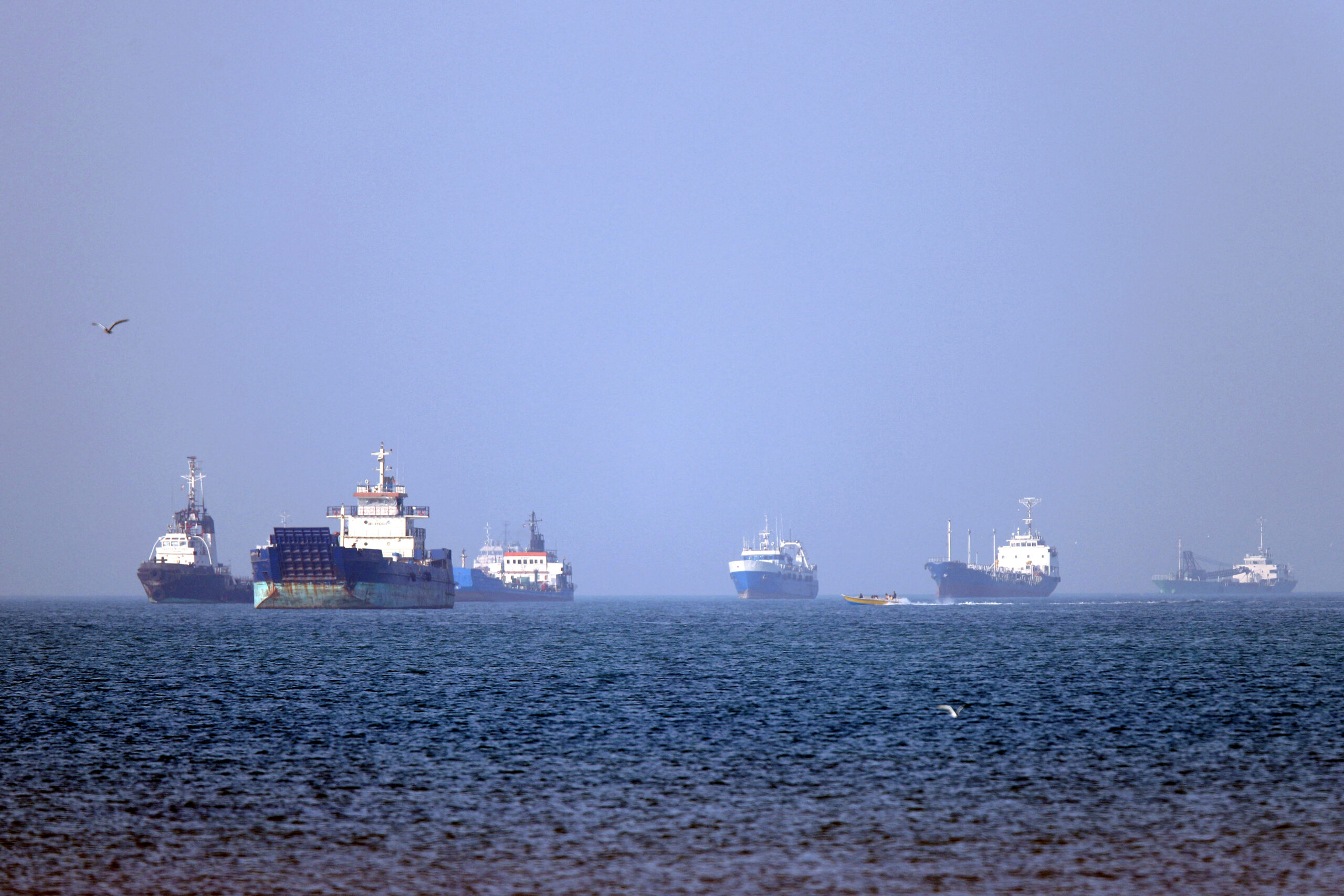
Amid the ongoing armed conflict involving the United States, Israel, and Iran, the Middle East is once again at the centre of global geopolitical transformation. Recent hostilities have disrupted energy shipments through the Strait of Hormuz—one of the world’s most critical maritime chokepoints—underscoring the fragility of global supply chains and the strategic importance of the region.

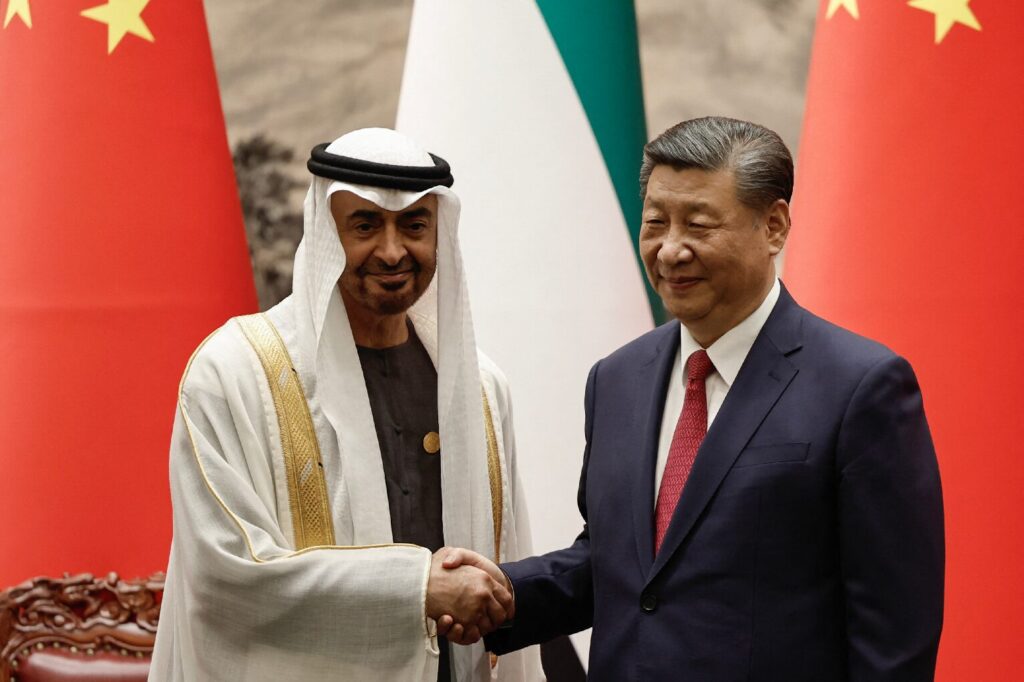
This online panel brings together leading experts to examine China’s evolving role in the Middle East in the context of ongoing crisis. How is Beijing navigating regional instability? What are the implications for energy security, great power competition, and the emerging multipolar order? Drawing on expertise in both Asian and Middle Eastern affairs, the discussion will offer timely and multidisciplinary insights into one of the most pressing geopolitical challenges today.

This event will be held over Zoom on Thursday, 11 June 2026, from 10:00 AM to 11:00 AM (London time) / 5:00 PM to 6:00 PM (Singapore time). The event is free, but registration is mandatory. An email confirmation will be sent out closer to the event day. To sign up, click here.


Photo caption: In this picture obtained from Iran’s ISNA news agency on May 4, 2026, vessels are pictured anchored in the Strait of Hormuz off Bandar Abbas in southern Iran. Iran’s Revolutionary Guards on May 4 denied that any commercial ships had crossed the Strait of Hormuz, after the US military earlier said two US-flagged merchant vessels had transited through the vital waterway. (Photo by Amirhossein KHORGOOEI / ISNA / AFP) /
  • This field is for validation purposes and should be left unchanged.
About the Speakers
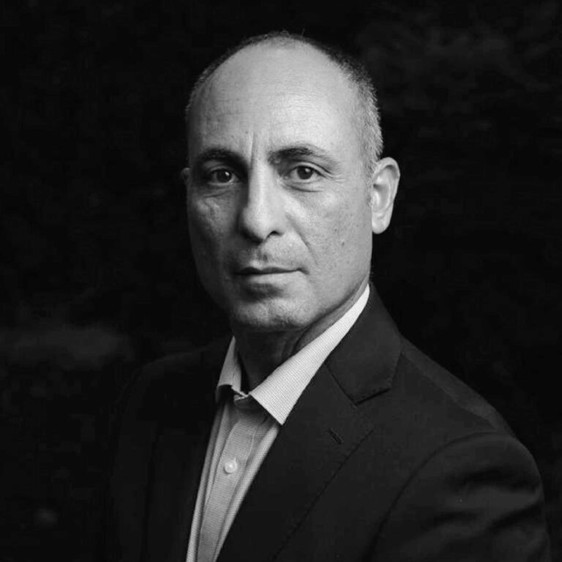
Dr Gad Yishayahu
Senior Fellow, Lead Researcher on Security and Crisis
Cambridge MENAF

A scholar and practitioner specializing in Foreign Policy Crisis and crisis management, Dr Yishayahu is presently serving as a Visiting Lecturer at City St George’s, University of London, where he completed his PhD, and a Research Fellow at the International Institute for Counter-Terrorism, Reichman University (IDC Herzliya). Dr Yishayahu was previously a Visiting Scholar at the Department of Politics and International Studies (POLIS) at the University of Cambridge. His research focuses on contemporary Foreign Policy Crises and their implications on the discipline of crisis management.

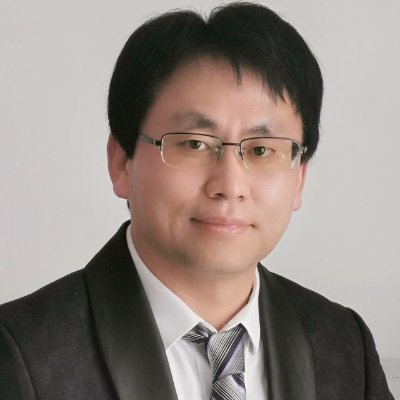
Dr Liu Jia
Research Fellow
Middle East Institute, National University of Singapore

Liu Jia is Research Fellow at the Middle East Institute, NUS. Jia earned her PhD in Government and International Affairs from Durham University, where she was honoured to be the H.H. Sheikh Nasser al-Mohammad al-Sabah Doctoral Fellow. Prior to her doctoral studies, Jia completed a Master’s degree in Middle Eastern Studies at Lund University and a Master’s in Research Methods (International Relations). Jia has also studied in China, Iran, Jordan, worked in the UAE, and well-travelled across the West Asia/Middle East. She speaks Chinese, English, Farsi, and is learning Arabic. Jia’s research focuses on two major areas: the politics of Persian speaking world and China-West Asia/Middle East relations.

[Moderator] Mr Patrik Kurath
Vice President
Cambridge MENAF

Patrik Kurath is co-founder and Vice President of the Cambridge Middle East and North Africa Forum (MENAF), an independent, non-partisan think-tank based out of the academic community of the University of Cambridge and dedicated to encouraging original, intelligent, and constructive dialogue about the Middle East and North Africa, and to developing and advancing policies that secure Britain’s role in it.

Event Details

via zoom

Related Events