Iran-Israel 12-Day War: Implications for Persian Gulf’s Security Order
The 12-day war between Iran and Israel revealed certain realities about the regional order for the Gulf Arabs, while also offering lessons for the future. The current order in the Persian Gulf is influenced by the US’ “Pivot to the East” strategy and the containment of China. The effects of this approach are evident in Israel’s increased presence in the region and the Abraham Accords. Following Hamas’ 7 October attack on Israel, the decimation of the group, as well as Hezbollah in Lebanon, and the fall of Bashar al-Assad’s regime, Tel Aviv has sought to impose its desired order in the region. Israel’s recent attack on Iran, as well as the US’ own strikes, have heightened concerns about the dominance of Israel’s preferred order in the region. On the other hand, Iran’s response by hitting the American Al-Udeid base in Qatar, has raised Gulf worries about maintaining neutrality in a direct war between Israel/the US and Iran. These countries, in pursuit of an independent role, aim to continue diplomacy with Iran to shape their desired security order in the region — a diplomacy that largely prevented the expansion of war in the region.
This event was held via Zoom on Thursday, 11 September 2025, from 2:00 PM to 3:00 PM (SGT).
Watch the full talk here:
Listen to the full event here:
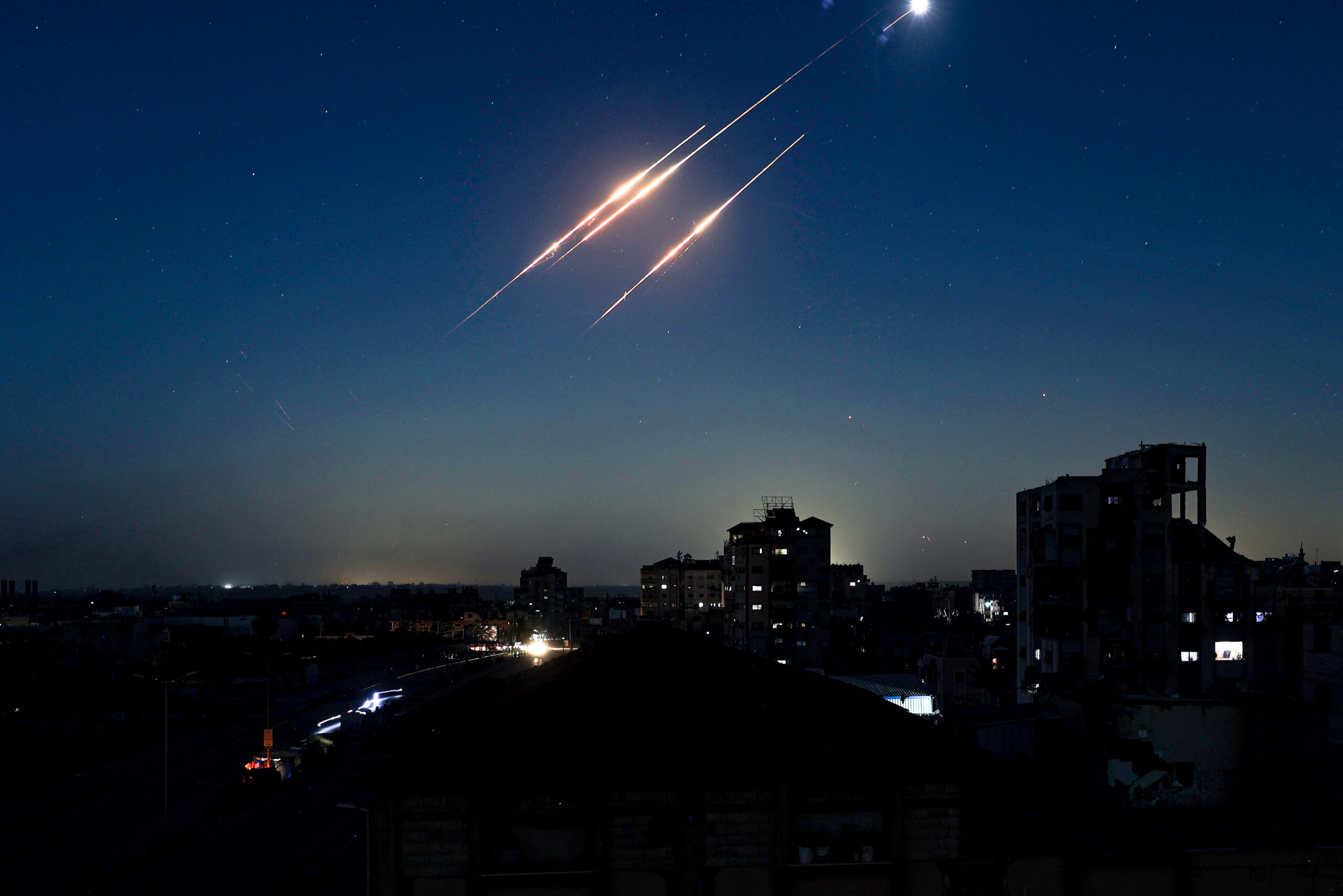
Photo caption: Trails of Iranian missiles launched at Israel are seen in the sky from the Nuseirat refugee camp in the besieged Gaza Strip on June 15, 2025. Israel and Iran traded heavy fire for a third straight day on June 15, with mounting casualties and expanding targets marking a sharp escalation in hostilities between the longtime foes. (Photo by Eyad BABA / AFP)
About the Speakers
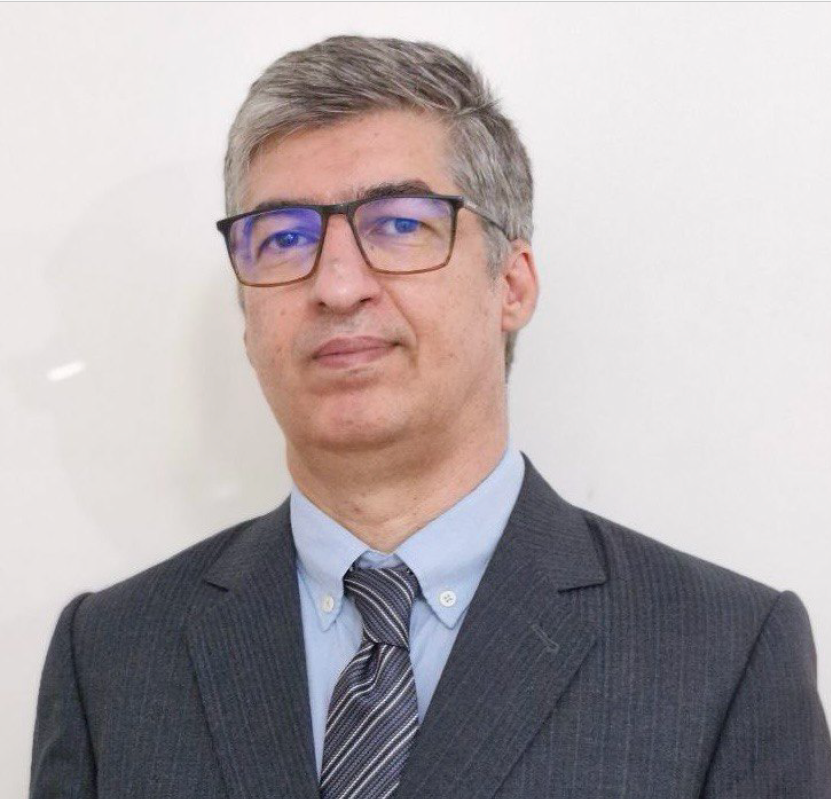
Dr. Javad Heiran-Nia Director of the Persian Gulf Studies Group Center for Scientific Research and Middle East Strategic Studies, Tehran, Iran
Dr. Javad Heiran-Nia is Director of the Persian Gulf Studies Group at the Center for Scientific Research and Middle East Strategic Studies in Iran. He was the Current Affairs Analyst at Cambridge Middle East and North Africa Forum. His articles have appeared in the Atlantic Council, Stimson Center, National Interest, Middle East Policy, Cambridge Middle East and North Africa Forum, Insight Turkey, Iran and the Caucasus Journal, Contemporary Review of the Middle East, Strategic Analysis, and LobeLog. Heiran-Nia’s commentary and interviews have been published by leading outlets including Newsweek, Anadolu Agency, The Asahi Shimbun, The Yomiuri Shimbun, Qatar AlarabyTV, Expresso, Al Arabiya English, Al Jazeera, The National news and the New Arab. His book, “Iran and the Security Order in the Persian Gulf: The Presidency of Hassan Rouhani” has been published by Routledge.
Dr Zeynab Malakouti Visiting Research Fellow Middle East Institute, NUS
Dr Zeynab Malakouti is a Visiting Research Fellow at the Middle East Institute, National University of Singapore (NUS), with a particular focus on Iran. She holds a PhD in International Law from the University of Leeds, UK (2020), and an LLM in Human Rights Law from the University of Reading, UK (2016). Previously, she served as an Assistant Professor and Director of the Human Rights Department at the Research Center and UNESCO Chair for Human Rights, Peace, and Democracy in Iran.