
- 01 Apr 2026
Gulf States Amid the Iran War: Social, Economic, and Diplomatic Implications


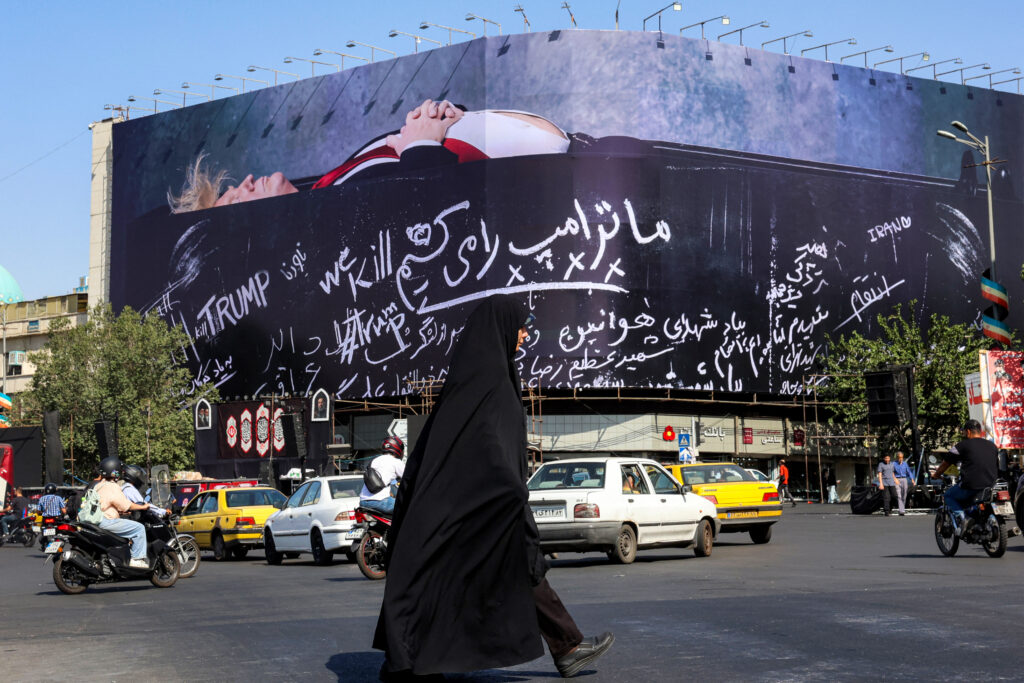
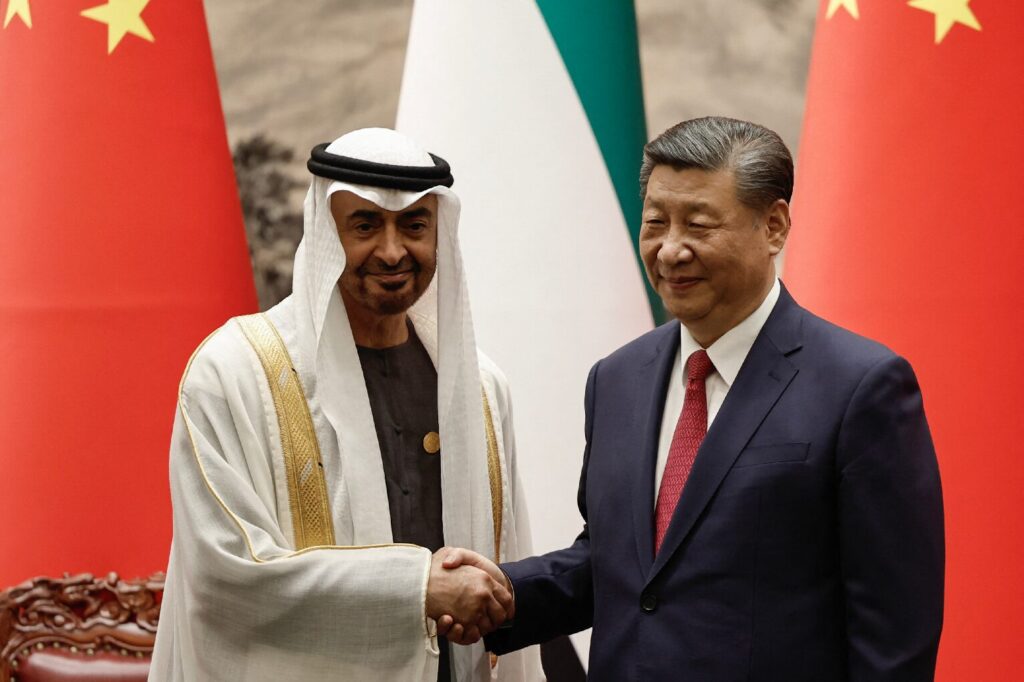
Since the start of the US-Israel operation against Iran, Gulf states have experienced an unprecedented number of missile and drone attacks carried out by the Iranian regime. The rapid escalation took by surprise countries that had been largely immune to Middle Eastern conflicts since Iraq’s invasion of Kuwait in 1991. As the outcome of the war remains uncertain, Gulf states face numerous challenges such as protecting their citizens and residents from the ongoing threat of Iranian weapons and managing the economic impacts of the conflict. In the long term, the crisis is also likely to challenge key policy priorities, including their ability to implement much-needed social and economic reforms and reassess their heavy reliance on the US for stability. To explore these issues, MEI will host a special webinar with analysts and scholars based in the region who will help us understand the possible trajectory of Gulf states during and after the war.
This event will be conducted online via Zoom on Wednesday, 1 April from 3:30 PM to 4:45 PM (SGT). Registration is free but compulsory. Zoom details will be sent out closer to event date.
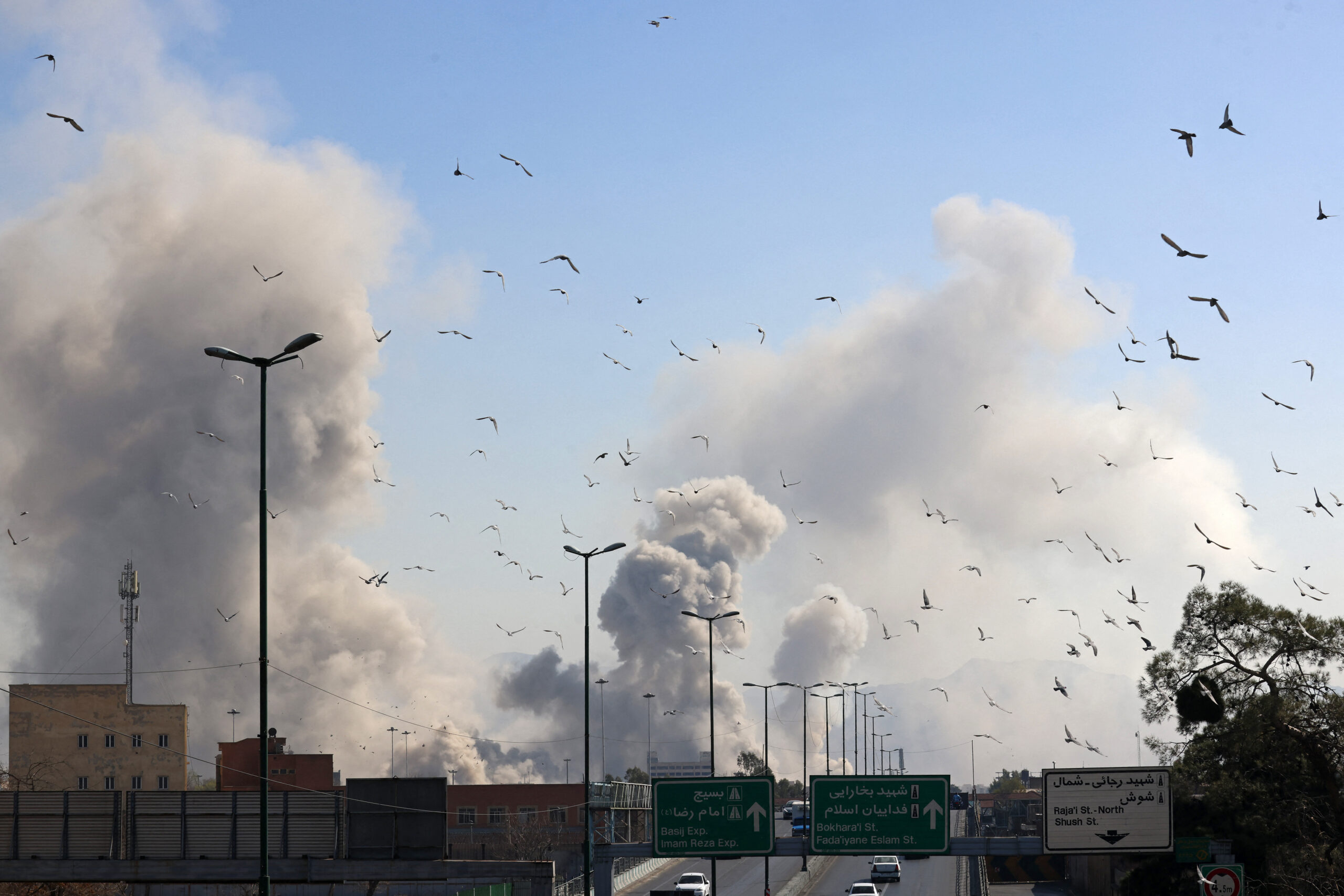
Photo caption: A plume of smoke rises after a strike on the Iranian capital of Tehran on March 5, 2026. Israel pounded Tehran with fresh strikes and Iran targeted Kurdish guerilla groups in Iraq on March 5 as a spiralling war in the Middle East engulfed the entire region. (Photo by ATTA KENARE / AFP)
About the Speakers
Assistant Professor
Khalifa University, UAE
Dr Li-Chen Sim is an Assistant Professor at Khalifa University in the UAE. She holds a PhD in Politics from Oxford and is a specialist in the political economy of Gulf and Russian energy and its intersection with domestic politics as well as international relations. Her interests include the politics of energy in the Gulf, Gulf-Asia exchanges, and Russia-Gulf interactions.
Senior Fellow for Geopolitics
Observer Research Foundation Middle East (ORF)
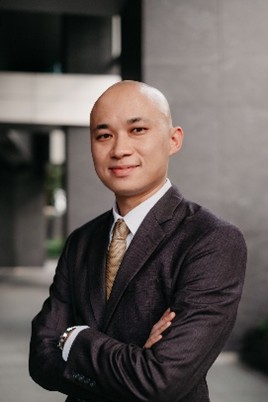
Dr Clemens Chay is Senior Fellow for Geopolitics at ORF Middle East. His research focuses on the history and politics of the Gulf Arab states and the broader geopolitical dynamics of the region. His recent analyses have examined great power involvement in the Middle East and developments in conflict zones including Gaza and Iran.
Previously, he served as Research Fellow at the National University of Singapore’s Middle East Institute, where he provided expert counsel to policymakers and the private sector. Committed to public outreach, he spearheaded an educational series titled “Bridging the Gulf.”
From 2015 to 2018, Clemens taught at Durham University, where he completed his PhD in Middle Eastern and Islamic Studies under the auspices of the Al-Sabah Programme. His published work includes academic research, institutional commentaries, and media contributions. He has been featured in the BBC, CNA, SCMP, TIME Magazine, and the New York Times.
Clemens holds an MSc in Defence, Development, and Diplomacy from Durham University anrow d a BA in Political Science from Sciences Po Paris. He also studied at the American University of Kuwait.
Junior Fellow in Geopolitics
Observer Research Foundation Middle East (ORF)
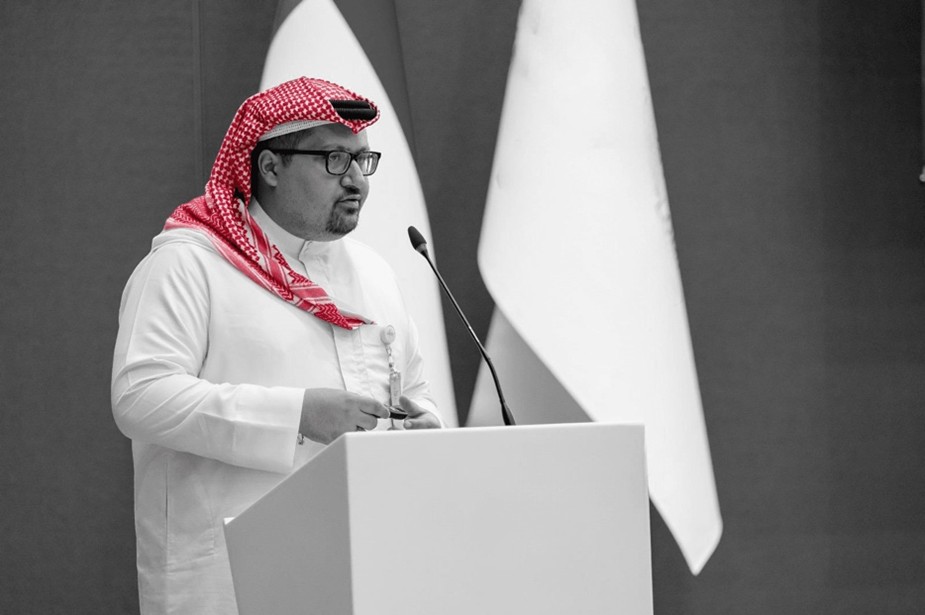
Mahdi Ghuloom is a Junior Fellow in Geopolitics at the Observer Research Foundation (ORF) – Middle East, where he focuses on the Arab Gulf States, examining their economic competitiveness, political institutions, and diplomacy. He has more than five years of experience spanning three years of economic policy research within the Bahraini government (mainly at the Bahrain Economic Development Board with a short term at the Prime Minister’s Office), one year of political risk analysis in a security consultancy (Le Beck International), and his current role which he began in February 2025.
Mahdi holds a bachelor’s degree in Economics and Politics from the University of Essex, a master’s in Policy Analytics from the University of Exeter (where he was awarded the Department’s Excellence Scholarship in recognition of his quantitative expertise) as well as a second master’s in Practical Ethics from St Cross College, University of Oxford, focusing on ethical dilemmas in political contexts.