Why Oman is the Trusted Intermediary for US-Iran Talks
Clemens Chay
-
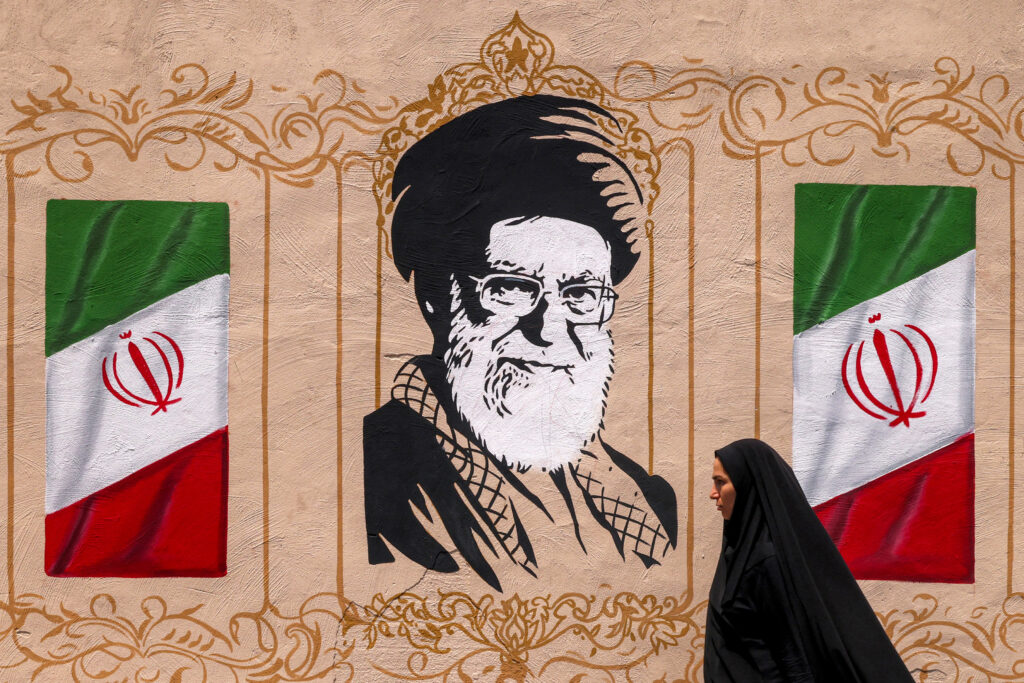
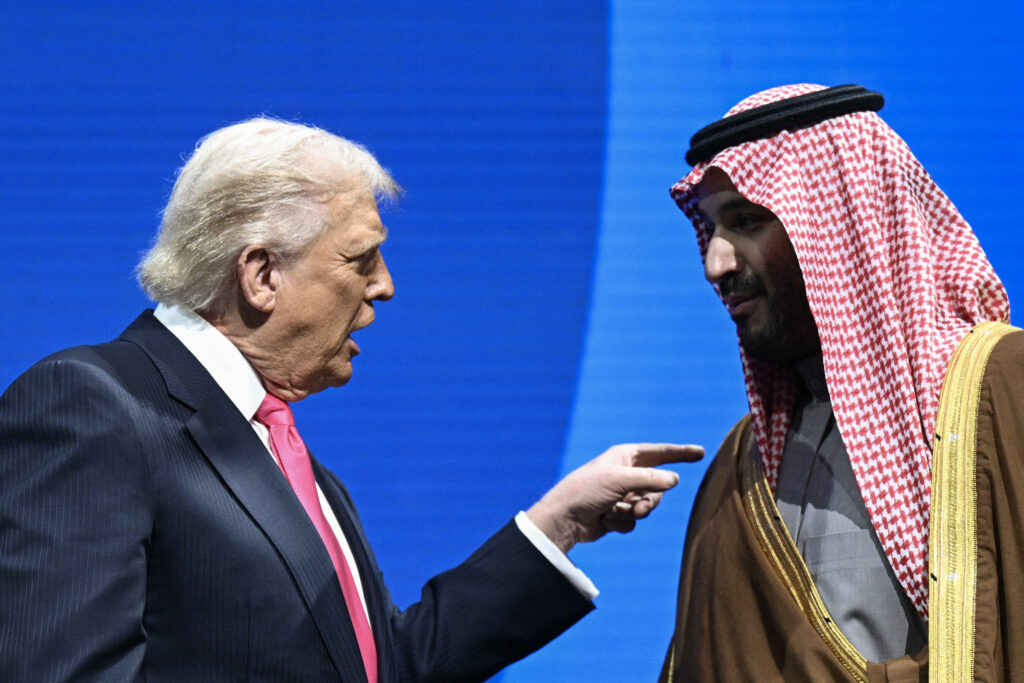
The third round of US-Iran negotiations returned to Oman on April 26, marking the start of technical discussions on a nuclear deal, after the first and second rounds were held in Muscat and Rome, respectively. As the prospects for negotiations on Tehran’s nuclear programme crystallised, it was Anwar Gargash, the Diplomatic Adviser to the United Arab Emirates’ President, who delivered a letter from President Donald Trump to Iran’s Supreme Leader, Ayatollah Ali Khamenei. Later, as talks unfolded, a rare visit to the Islamic Republic by the Saudi Defence Minister, Khalid bin Salman Al Saud, conveyed a letter from his father, King Salman, to Ayatollah Khamenei, presumably urging Iran to pursue an agreement benefitting regional stability, among other topics of “mutual interests”. Yet, despite these interventions by the two Gulf Arab states, both of which have engaged Iran in a steady process of rapprochement over several years, Oman remains the trusted — and tried — go-between for Washington and Tehran.
Oman’s relationship with the US and Iran, particularly with the latter, has enabled the Sultanate to play a bridging role. Although regional players have manoeuvred to intercede on behalf of conflicting parties, notably Saudi Arabia playing host to Russia-Ukraine talks, and Qatar mediating between Hamas and Israel, the Omani style of quiet diplomacy has been the preferred choice for many. In the author’s conversations with various Gulf interlocutors, the work of Oman’s diplomatic corps and its leaders has frequently been described as leak-proof. When news of the Saudi-Iran deal broke in March 2023, China claimed credit, but it was Oman which laid most of the groundwork, but its role remains closely-guarded.
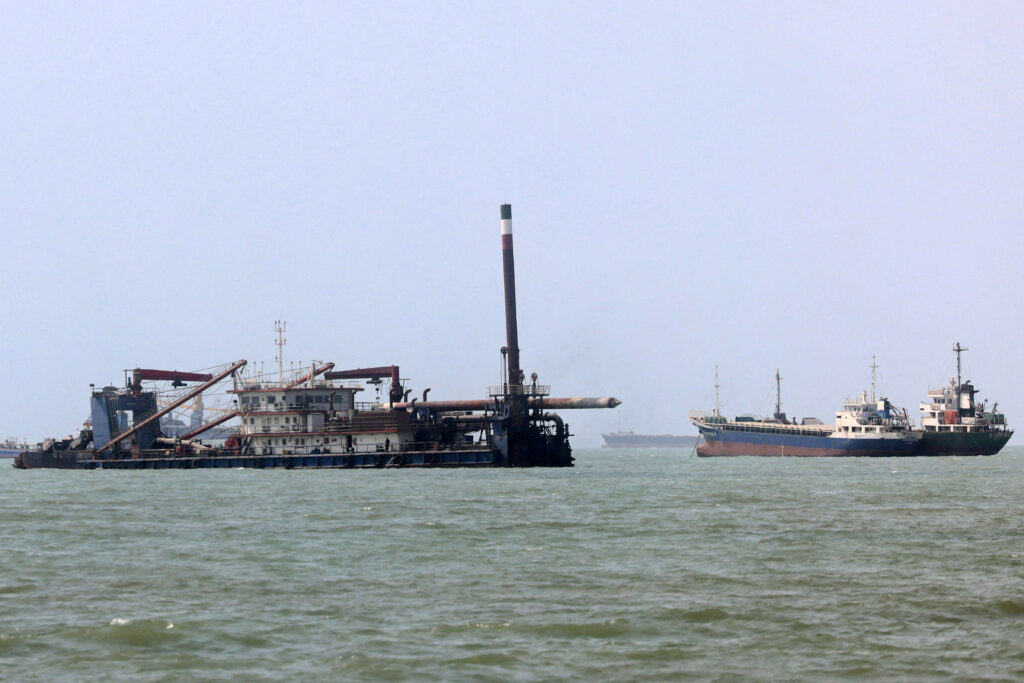
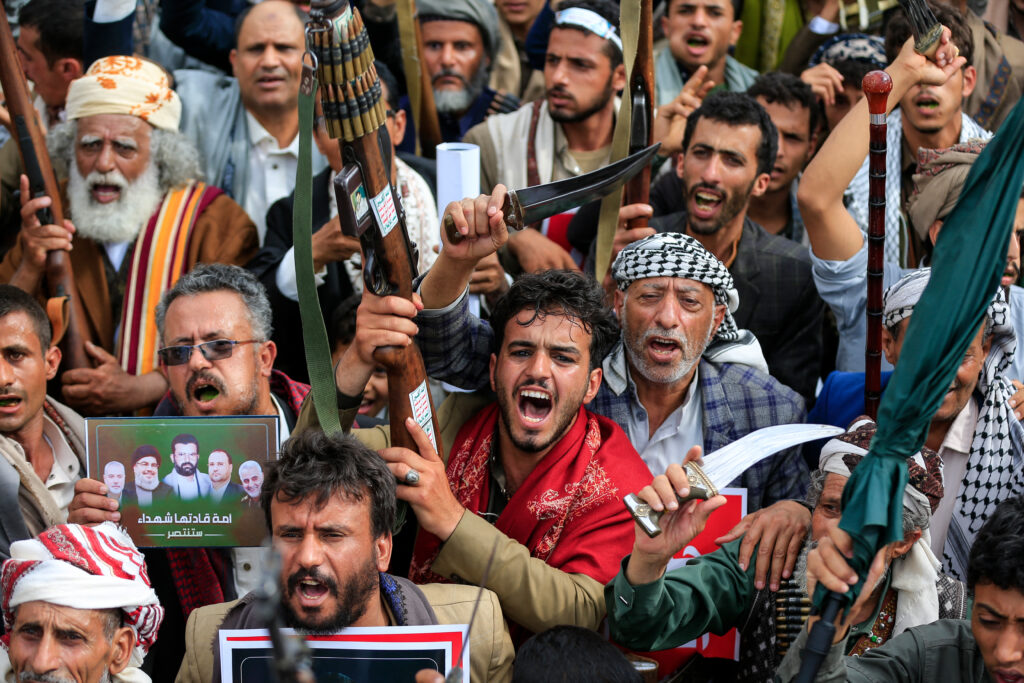
Where Washington is concerned, Muscat’s track record speaks for itself. The Sultanate helped negotiate a prisoner swap involving five Americans in exchange for Iranian access to US$6 billion of frozen funds — what Iran’s foreign ministry spokesperson Nasser Kanani called Oman’s “special efforts”. Under the Biden administration, Omani diplomats worked closely with White House Middle East Coordinator Brett McGurk and Iran’s top nuclear negotiator, Ali Bagheri Khan, by relaying messages to both sides. Similarly, the two sides held indirect talks via Oman to restrain the Houthis from attacking commercial shipping in the Red Sea. As Jonathan Campbell-James, a veteran who served for 32 years in the British Army’s Intelligence Corps, writes for the Lowy Institute, Oman’s neutral positioning between the US and “a long list of political adversaries in matters concerning Yemen, Syria, and previously with Iran over reviving the nuclear deal Trump abandoned in his first term” shaped it into the discreet intermediary.
Perhaps the most noteworthy element to Omani mediation efforts with Iran is its special relationship with the country, which predates the 1979 revolution. These close ties began when the Omani leadership had to contend with the Dhofar rebellion — aimed at creating a separatist state — in the process of uniting the coastal and hinterland areas of the country. It was the Shah of Iran, at the request of Oman, who provided military assistance to help quell the uprising. Later, when the Islamic Republic was perceived as a threat by Gulf Arab neighbours, Oman persisted in its foreign policy of regarding Iran as a core variable in the regional security equation. As Abdullah Baabood, an Omani academic and the Chair of the State of Qatar for Islamic Area Studies at Waseda University, writes in a book chapter entitled “Oman’s independent foreign policy”, such an approach was adopted to “protect the Straits of Hormuz [and] to prevent possible aggression”.
Decades later, in the lead-up to the 2015 nuclear deal (known as the JCPOA), then US President Barack Obama called the late Sultan Qaboos to discuss the details of an agreement. This was a time when Saudi Arabia and the UAE opposed such a deal — they backed Mr Trump’s decision to withdraw from it in 2018. However, Muscat, as a senior Omani diplomat told the author on the condition of anonymity, “prefers not to always take the Saudi lead, and Oman has always spoken up on how regional stability needs to be inclusive”.
There is cautious optimism over the current nuclear talks. The overtures by both the UAE and Saudi Arabia also underscore the preference for involvement by these Gulf states, particularly after their exclusion in 2015. Yet, Oman remains the firm favourite as facilitator. Its commitment to the role saw the Sultanate’s Foreign Minister, Sayyid Badr Albusaidi, travel to Rome for the second round of talks on April 19, following the Sultan’s state visit to the Netherlands. Even in Rome, the second round of talks was held at the Omani ambassador’s residence, with the foreign minister charged with transmitting messages.
The rationale for the staging of the talks in Rome was to ease the travel time for Steve Witkoff, Mr Trump’s Mid-East Envoy, but there was a back-and-forth before this was decided. Now, the diplomatic road leads back to Muscat. To quote Mr Albusaidi when he called for an emergency peace conference on Palestine last February: “I am confident, having dealt with Iranian officials for more than 30 years, that the country’s leaders are capable of making such compromises [in reaching an agreement]”. Muscat should know.
Image Caption: Iran’s Foreign Minister Abbas Araghchi (R) and Oman’s Foreign Minister Sayyid Badr al-Busaidi give a joint press conference in Tehran on 30 December 30 2024. Photo: AFP
About the Author
Clemens Chay is a Research Fellow at the Middle East Institute, NUS.